Your search

178 results for "myrtle rust"

post

Myrtle rust is having sex – why this matters and what it means for New Zealand

A study has just been published containing new evidence that Austropuccinia psidii, the fungus that causes myrtle rust, is reproducing sexually in New Zealand in addition to cloning itself.
Read More
post

Taking a look at the sex life of myrtle rust

The invasive pathogen infects native New Zealand trees in the Myrtaceae family, such as pōhutukawa and mānuka, causing dieback and potentially death. It was first detected in New Zealand in
Read More
post

Beyond Myrtle Rust: Marley Ford, a student of ecology’s underdogs

Masters student Marley Ford is investigating the mycorrhizal fungi communities of ramarama (Lophomyrtus bullata), a species that has recently become threatened by myrtle rust.
Read More
post

Myrtle rust found on Aotea

The myrtle rust pathogen has been discovered on a pōhutukawa seedling on Aotea Great Barrier Island.
Read More
post

Student Profile: Hone Ropata

Master’s student Hone Ropata is researching how myrtle rust could impact aka (vine) species, while working as a part of the Plant & Food Research team. We had a chat to learn more about his mahi.
Read More
post

Media Release: Myrtle Rust can infect mānuka fruit and seeds

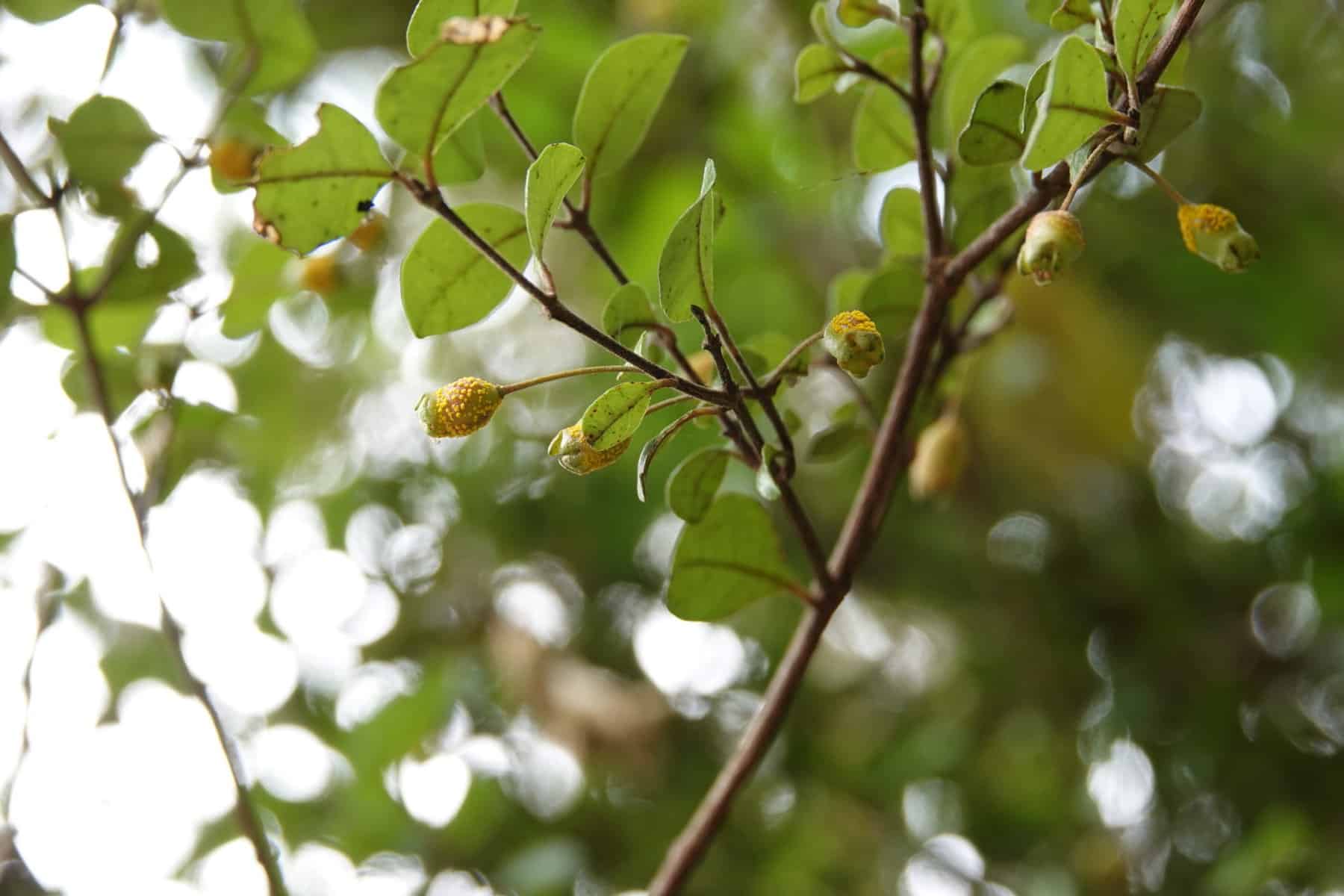
Researchers investigating the susceptibility of several plant species to myrtle rust have observed infection on mānuka seed capsules for the first time.
Read More
post

Understanding the relationship between climate and myrtle rust

Warmer winters means myrtle rust is more active over the winter months, leading to an increased threat for Myrtaceae species.
Read More
The team in Lisbon
post

Myrtle rust researchers return to the international conference scene

After our lengthy isolation due to COVID, our researchers have finally been able to travel overseas to connect with their international colleagues. Many plant diseases, such as myrtle rust, are being studied by research teams all around the world, so in-person hui can help us overcome roadblocks and catalyse progress.
Read More
post

A new recruit for Beyond Myrtle Rust

The pathogen causing myrtle rust might be tiny, but it’s effects could impact carbon, water and nutrient cycles at both the plant and ecosystem levels.
Read More
post

Sarah Sale, growing a troublesome fungus for good

Sarah Sale, a PhD candidate and new member of the Beyond Myrtle Rust programme, started her research amid New Zealand’s lockdown.
Read More
Job Code X Client's Name
post

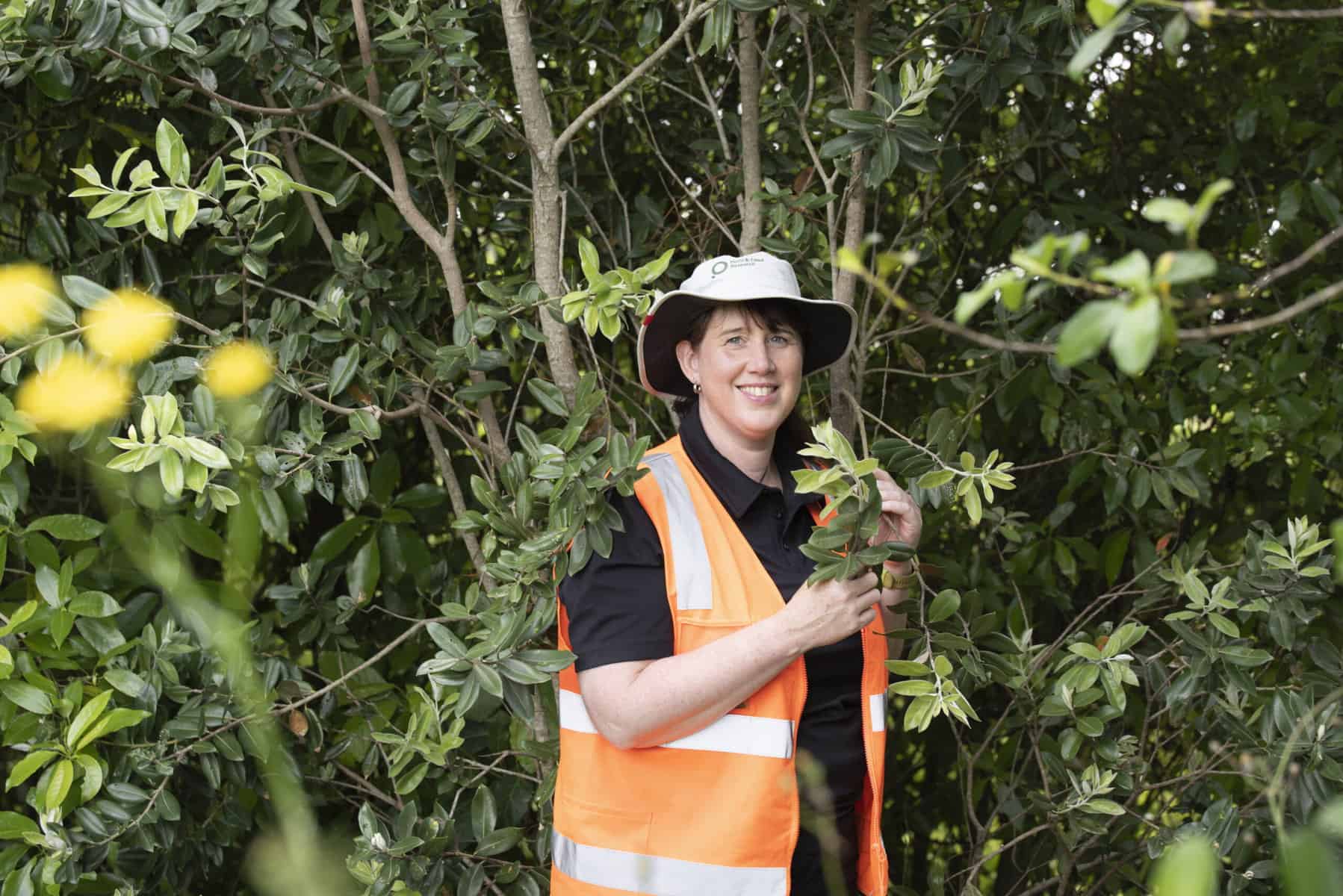
Q&A with Beccy Ganley

How long have you been involved with Ngā Rākau Taketake? From the beginning! I was brought into the scoping group specifically because of my knowledge on myrtle rust. I was
Read More
Lake Wairarapa Shoreline Excio 1
post

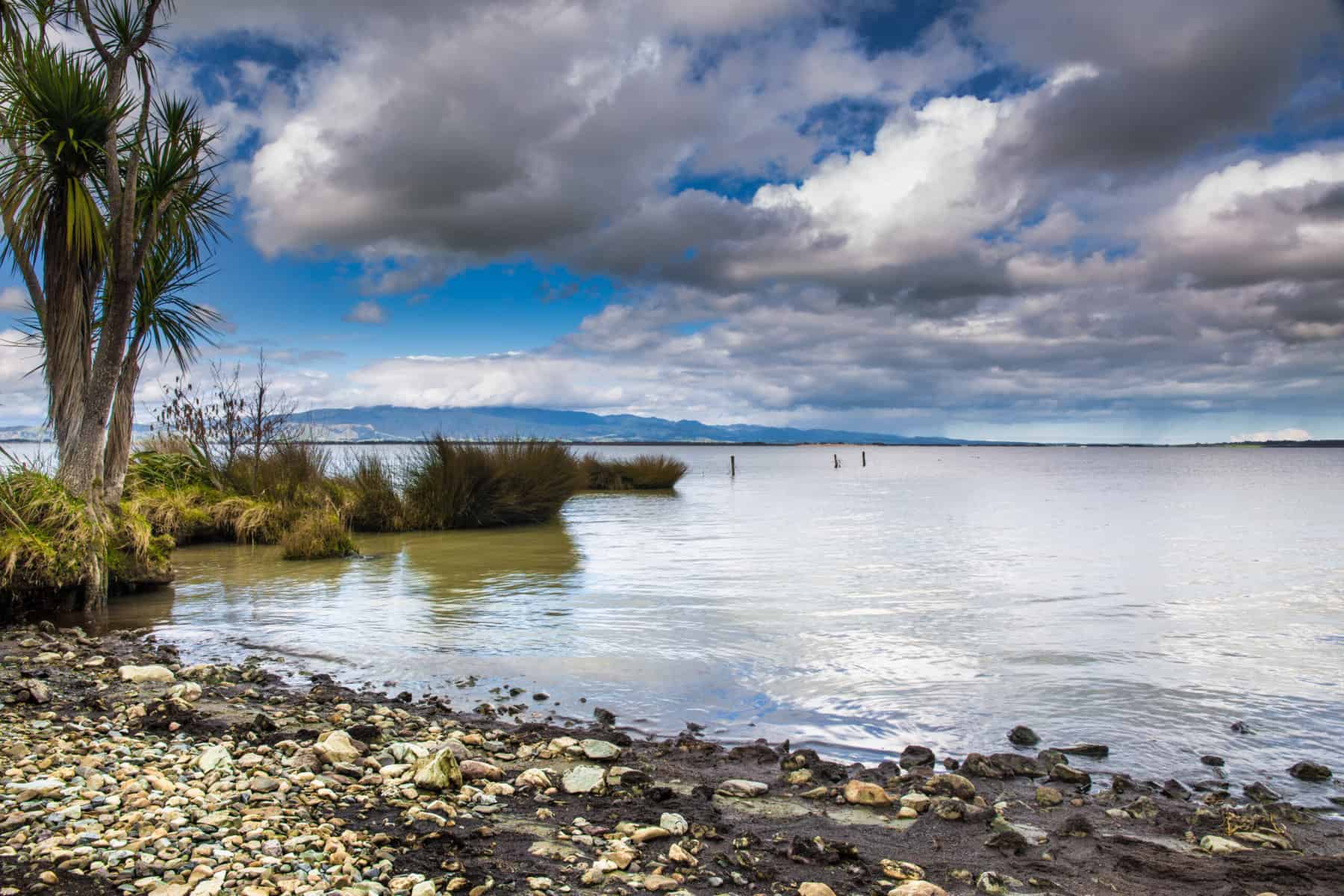
New maps for swamp maire restoration coming soon

Julie Deslippe, a Senior Lecturer at Te Herenga Waka – Victoria University of Wellington, is one of many researchers working to reverse the decline of wetland health in the Wairarapa
Read More
post

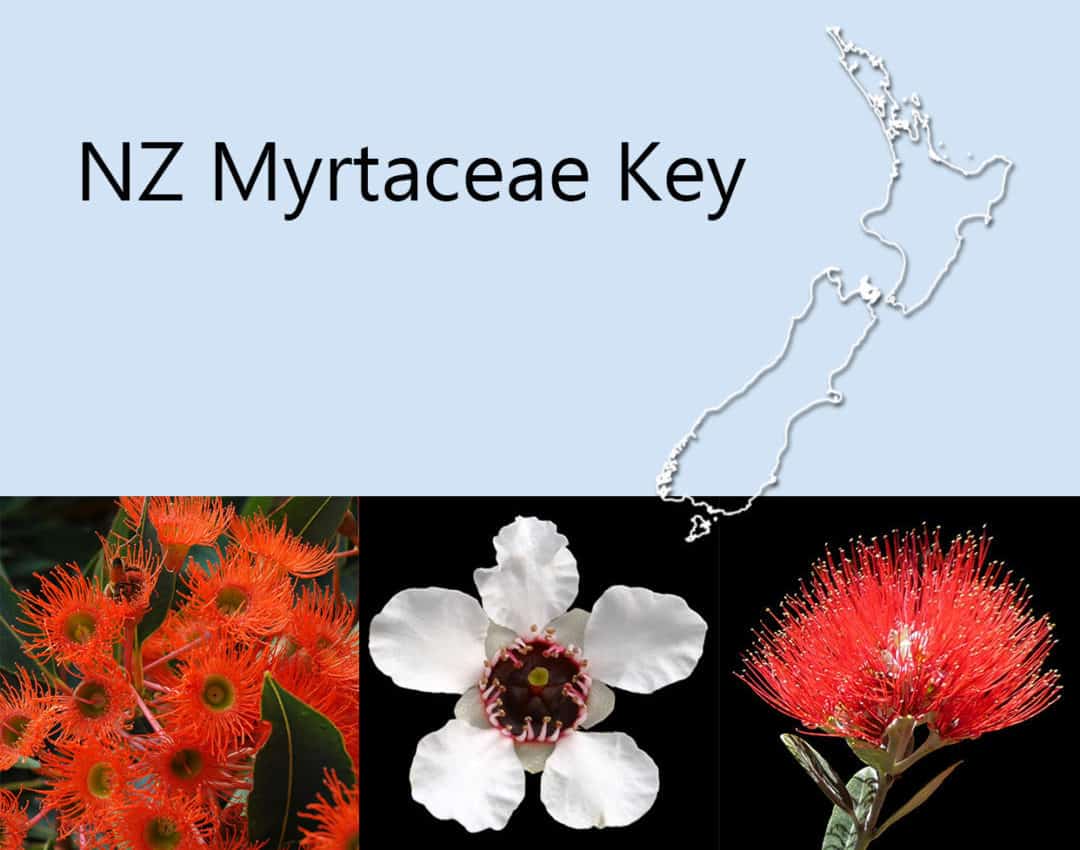
Need help to identify a myrtle? There’s an app for that

The NZ Myrtaceae Key is a new app developed to help people identify myrtle species, to aid in the detection of myrtle rust.
Read More
post

Trans-Tasman collaboration unlocks genetic secrets behind myrtle rust

Scientists have sequenced the genome of the fungus which causes the disease myrtle rust, Austropuccinia psidii.
Read More
post

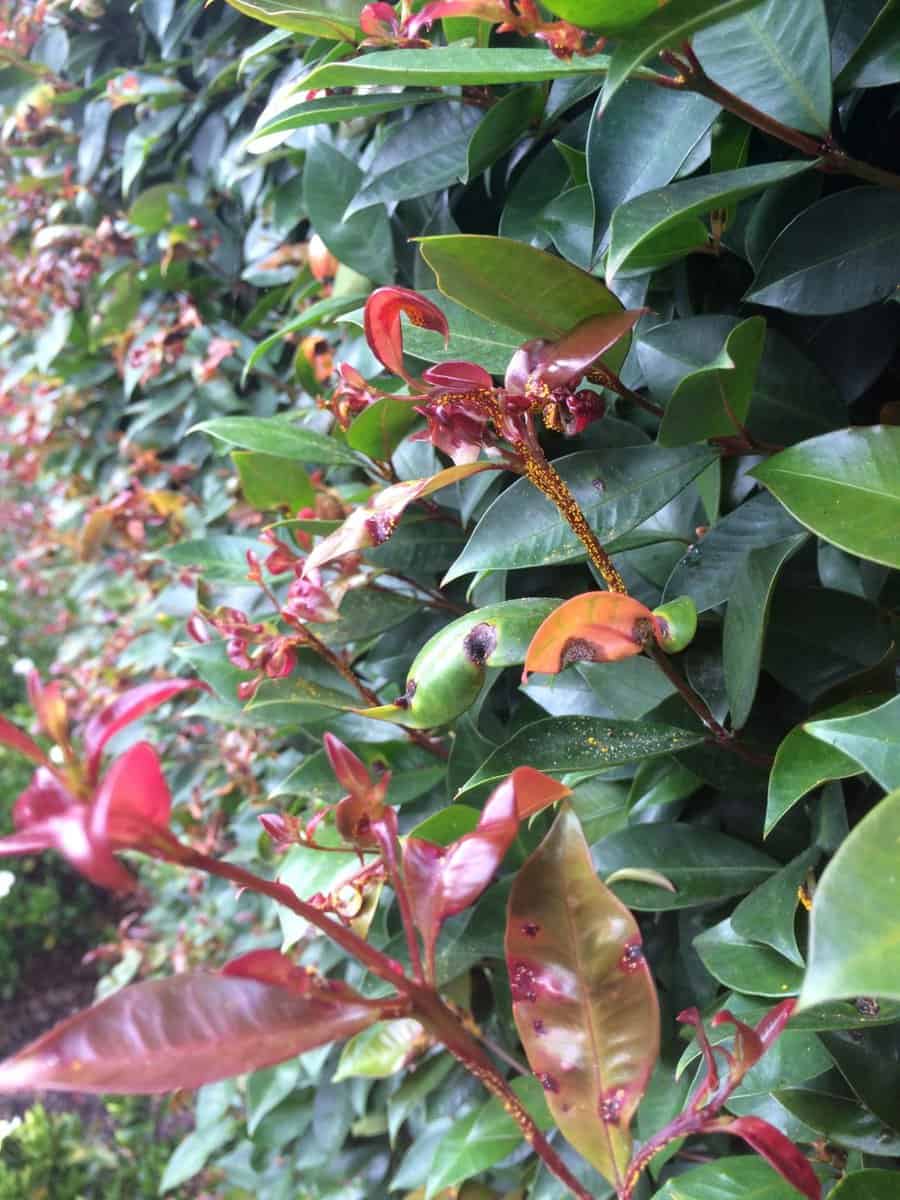
What’s in a name? Demystifying lilly pilly hedges

Every winter, Beyond Myrtle Rust asks gardeners to prune their lilly pilly hedges to help prevent the spread of myrtle rust, a deadly plant disease caused by the fungus Austropuccinia psidii. New growth encouraged by pruning is less likely to be infected by A. psidii in winter. 
Read More
Graeme Atkins
post

Mate Tipu, Mate Rākau

A new documentary, titled “Mate Tipu, Mate Rākau”, has been released by Toi Taiao Whakatairanga.
Read More
Scroll to Top