Biosecurity - Control

Once pests have become established, how can we best control or eradicate them?

Publication

Emerging Stakeholder Relations in Participatory ICT Design: Renegotiating the Boundaries of Sociotechnical Innovation in Forest Biosecurity Surveillance

Research Highlights: This research advanced understanding of stakeholder relations within the context of innovation using citizen science in a biosecurity sociotechnical system (STS) in Aotearoa,…
View Publication
Publication

Trust in science and scientists: Effects of social attitudes and motivations on views regarding climate change, vaccines and gene drive technology

Trust in science and scientists (TSS) is an increasingly important topic with respect to how science is applied within society. However, its role regarding specific…
View Publication
Publication

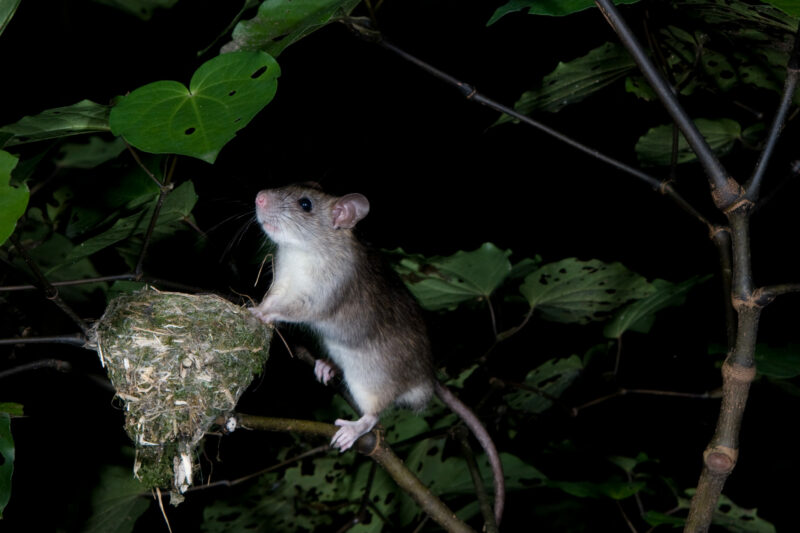
Niche partitioning in a guild of invasive mammalian predators

Predators compete aggressively for resources, establishing trophic hierarchies that influence ecosystem structure. Competitive interactions are particularly important in invaded ecosystems where introduced predators can suppress…
View Publication
Publication

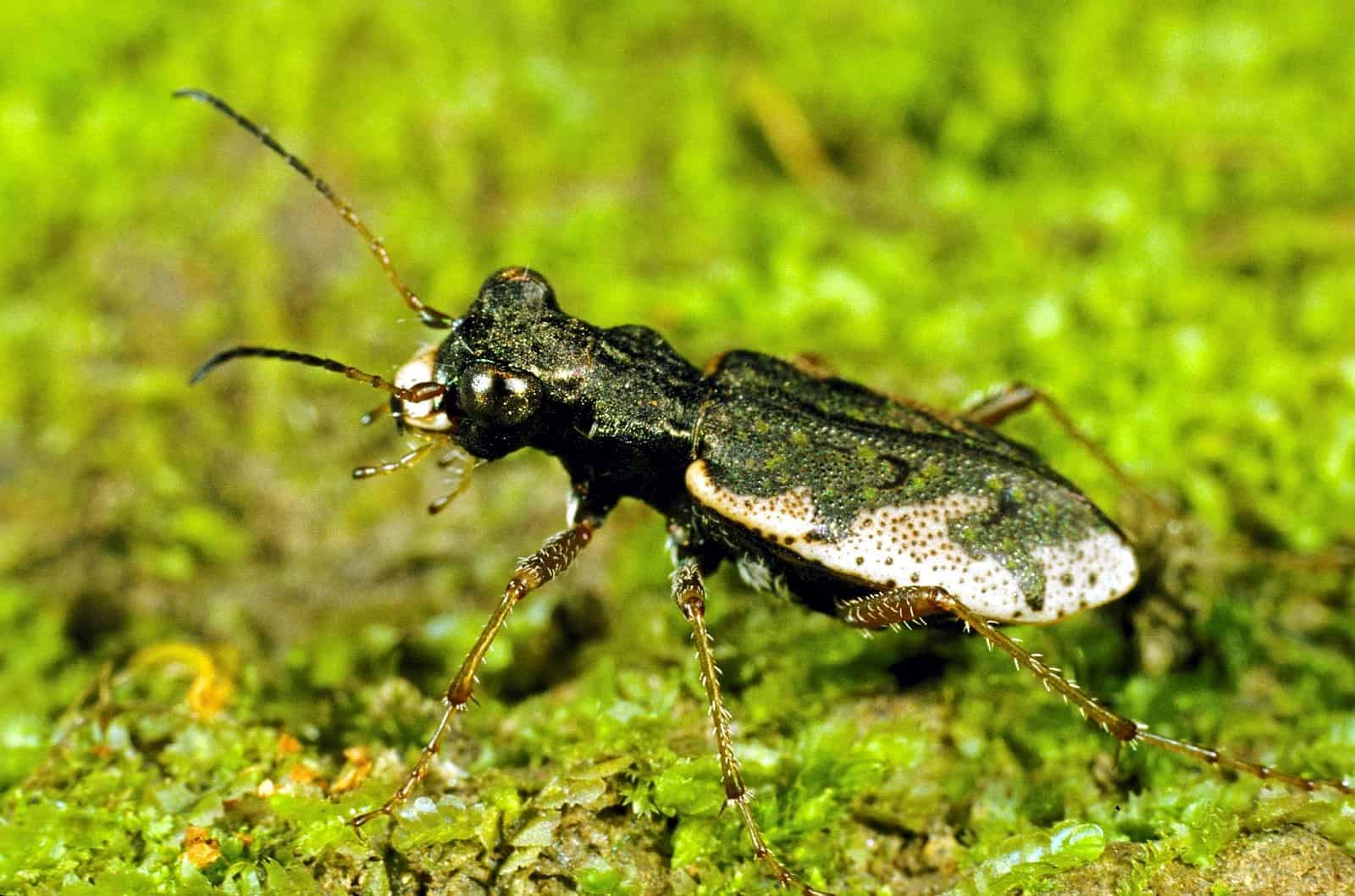
Sociality reduces the probability of eradication success of arthropod pests

Social insects are successful and globally significant invaders. Compared to ongoing suppression, eradication is seen as an ideal solution and cost effective in the long…
View Publication
Summary

BRIEF: What characterises a good biosecurity decision? – Best practice from stakeholder and expert interviews

Research carried out with key stakeholders identified the most important elements that make up good decision-making. Drawn from in-depth interviews with over three dozen key…
View Summary
Publication

THESIS: Applying behavioural science to understand and support biosecurity risk assessments

Invasive species threaten the health, safety, sustainability, wellbeing, and prosperity of Aotearoa New Zealand. A key function of the biosecurity system is to comprehensively assess…
View Publication
Webinar

End use cases of reference databases

Wananga 1: End use cases of reference databases Te Tiriti-guided national DNA reference library wānanga series   Facilitators: Dr Susie Wood (Cawthron) & Dr Shaun…
View Webinar
Summary

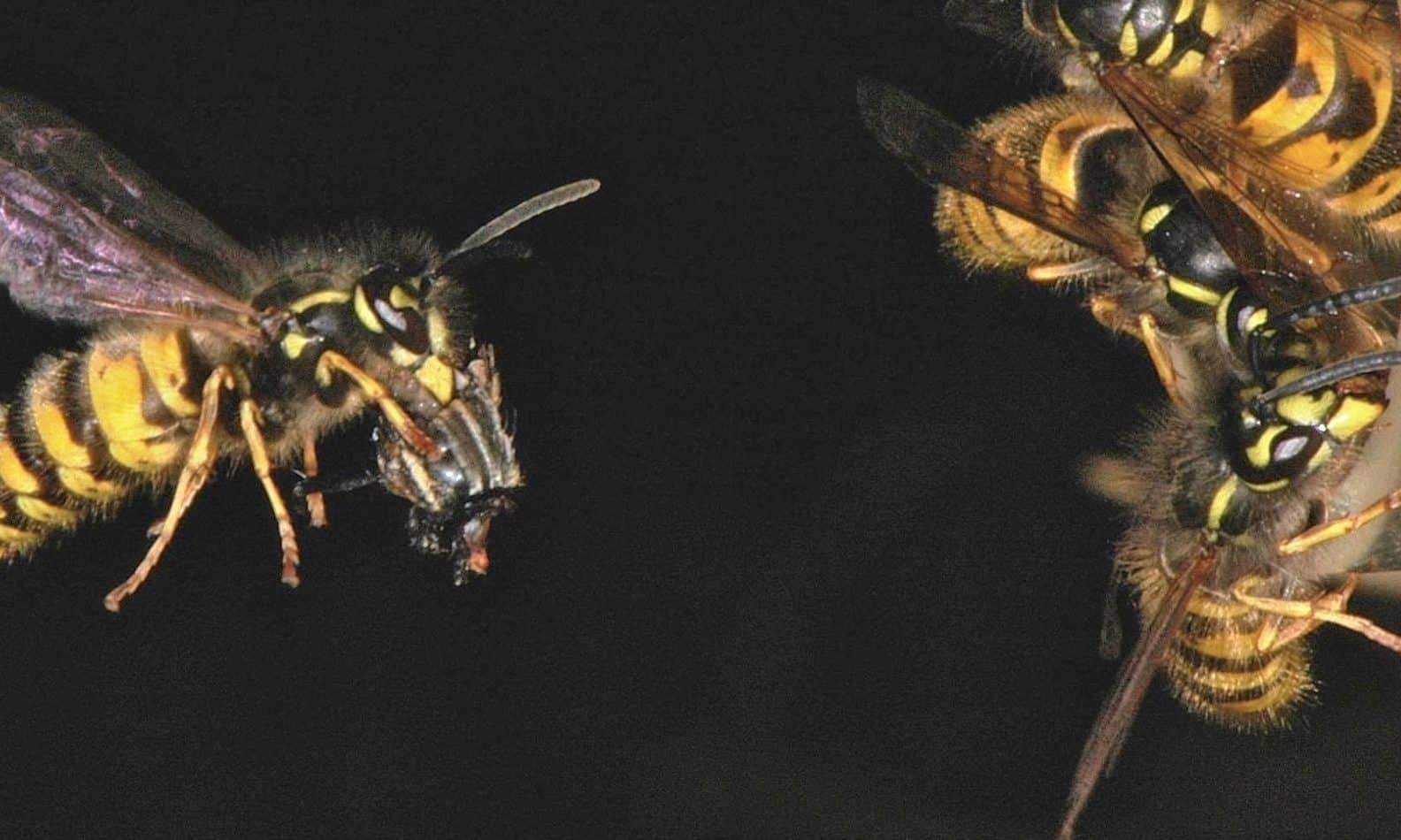
BRIEF: Evaluating the use of gene drives for wasp control

Introduced wasps in Aotearoa New Zealand damage native ecosystems, harm human health, and threaten the beekeeping industry. Current pest control of wasps relies on spraying…
View Summary
Publication

Anuhe Tawatawa, e!

Anuhe, tawatawa e! (Anuhe, mottled like the skin of a mackerel) – he pukapuka tēnei e whakamānawa ana i ngā mahi a Symon (Ngāi Te…
View Publication
Video

Crazy & Ambitious 2 – 2019

A playlist of presentations given at New Zealand’s Biological Heritage Science Challenge conference, Crazy & Ambitious 2. 20 – 21 May 2019, Te Papa Wellington.
View Video
Publication

Healthy Bee, Sick Bee: The Influence of parasites, pathogens, predators and pesticides on honey bees

Phil Lester’s first book, The Vulgar Wasp, was about one of the world’s most hated insects. His second is about just the opposite – the honey…
View Publication
Publication

High-Quality Assemblies for Three Invasive Social Wasps from the Vespula Genus

We sequenced and annotated the genomes of the common wasp (Vespula vulgaris), German wasp (Vespula germanica), and the western yellowjacket (Vespula pensylvanica). Our chromosome-level Vespula assemblies…
View Publication
Publication

Fitness in invasive social wasps: the role of variation in viral load, immune response and paternity in predicting nest size and reproductive output

Here we investigate how infections with Kashmir Bee Virus (KBV), immune response and intracolony genetic diversity (due to queen polyandry) affect nest size in the invasive common…
View Publication
Publication

Landholder participation in regional-scale control of invasive predators: an adaptable landscape model

We developed a spatially explicit model to estimate the effects of varying levels of landholder participation in landscape-scale programs to control invasive predators. We demonstrate…
View Publication
Publication

An overview of introduced predator management in inhabited landscapes.

We describe the rise of community predator control and large landscape projects aspiring for a ‘Predator Free New Zealand’, and how such an aspiration must…
View Publication
Media

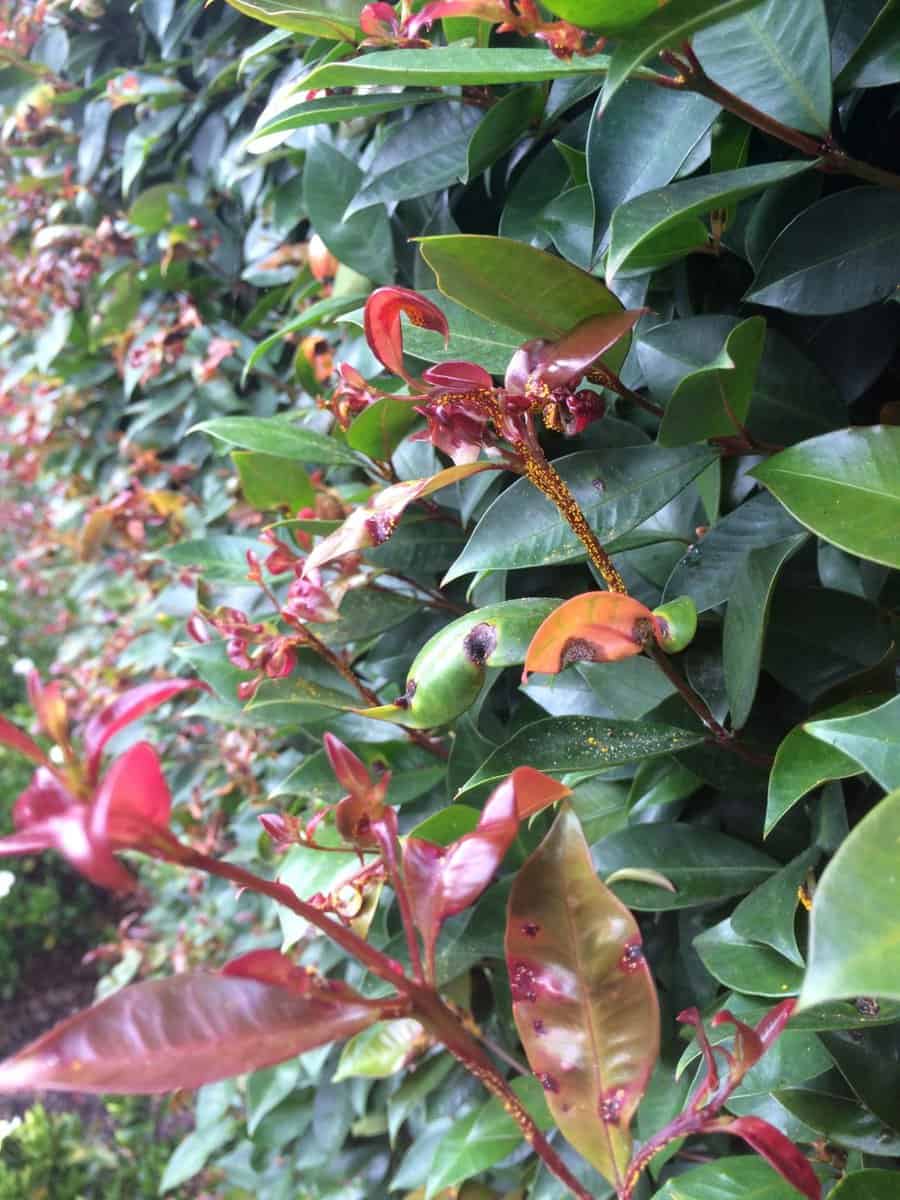
Newly-found myrtle rust putting Waitakere Ranges at risk

First, it was kauri dieback, now another disease is putting Auckland’s Waitakere Ranges under threat, myrtle rust has been found there for the first time.…
View Media

Enjoying our content?

Check out our inventory of research outputs and resources
Scroll to Top