Biosecurity - Control

Once pests have become established, how can we best control or eradicate them?

Publication

Thesis: Detection and prevention: Improving techniques to manage Phytophthora agathidicida, the causal agent of kauri dieback

Real-time polymerase chain reaction (qPCR) and loop-mediated isothermal amplification (LAMP) have been published as molecular detection techniques for P. agathidicida; however, they are not yet…
View Publication
Publication

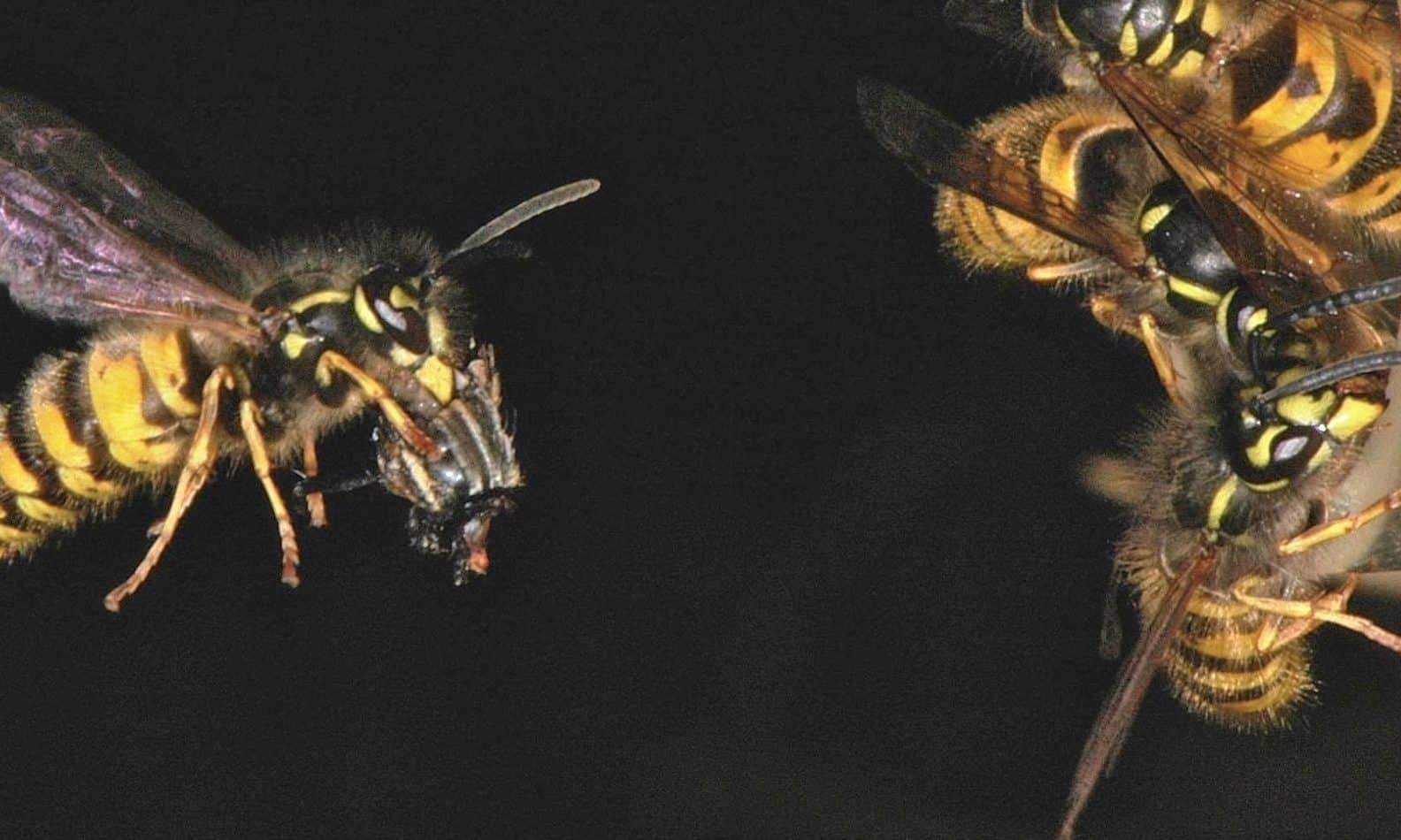
Viral and fungal pathogens associated with Pneumolaelaps niutirani (Acari: Laelapidae): a mite found in diseased nests of Vespula wasps

Introduced social wasps (Vespula spp.) are a pest in many parts of the world. Recently, a mite species (Pneumolaelaps niutirani) was described and associated with disease…
View Publication
Publication

Public Opinion Towards Gene Drive as a Pest Control Approach for Biodiversity Conservation and the Association of Underlying Worldviews

Synthetic gene drive approaches are nascent technologies with potential applicability for pest control for conservation purposes. Responsible science mandates that society be engaged in a…
View Publication
Report

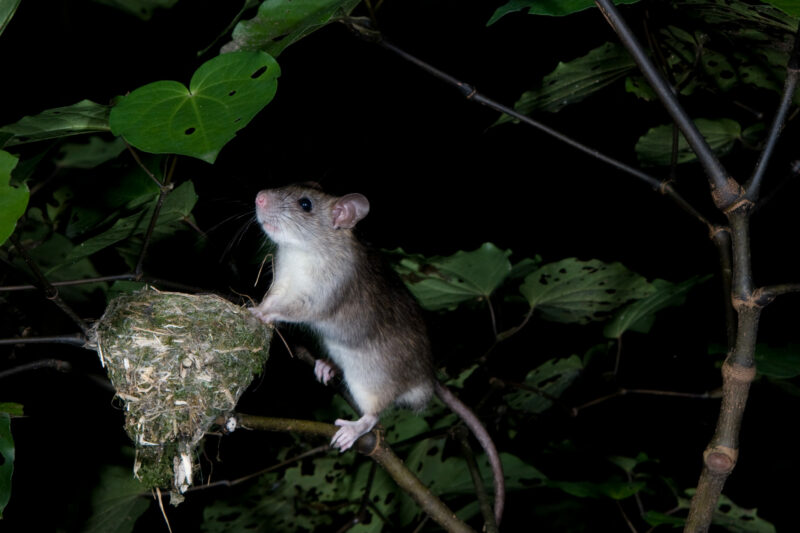
Collective action to eradicate rats and mustelids from a large, peopled landscape: A social-ecological approach

The control or eradication of introduced mammalian predators is one of the most urgent tasks for conserving native wildlife in Aotearoa New Zealand (Elliot et…
View Report
Report

A review of environmental values for New Zealand biosecurity risk assessment

Biosecurity refers to keeping the environment free of unwanted organisms and controlling, managing or eradicating them should they arrive in the country. The New Zealand…
View Report
Policy Briefing

BRIEF: Unlocking collective wisdom

Shared learning with Te Taiao Collectives Network Across Aotearoa New Zealand, collectives of community groups, iwi, hapū, councils, and others are joining forces to protect…
View Policy Briefing
Report

Literature review of risk assessment and decision making frameworks

The research programme “He Tangata, He Taiao, He Ōhanga (Strategic Outcome 3, New Zealand’s Biological Heritage National Science Challenge) aims to incorporate information from a…
View Report
Summary

BRIEF: TrapSim Plus

Supporting informed decision-making in community predator control planning Predator control groups face the challenge of having to choose which control methods and efforts to use,…
View Summary
Webinar

Data governance and sovereignty

Wānanga 6: Data governance and sovereignty. Te Tiriti-guided national DNA reference library wānanga series   Facilitators: Holden Hohaia, Ngāti Maru, Taranaki Whānui ki te Upoko…
View Webinar
Webinar

Crazy & Ambitious 4: The need for alternative control products for varroa

Online presentation from Crazy & Ambitious 4: The need for alternative control products for varroa, with David Wiessing
View Webinar
Report

Mātauranga Māori Framework for Surveillance – Issues Paper

Working with Tangata Kokiri and mana whenua, ‘an issues paper’, provides the foundation for potential impacts for mana whenua and their whanau/hapū, communities and other…
View Report
Video

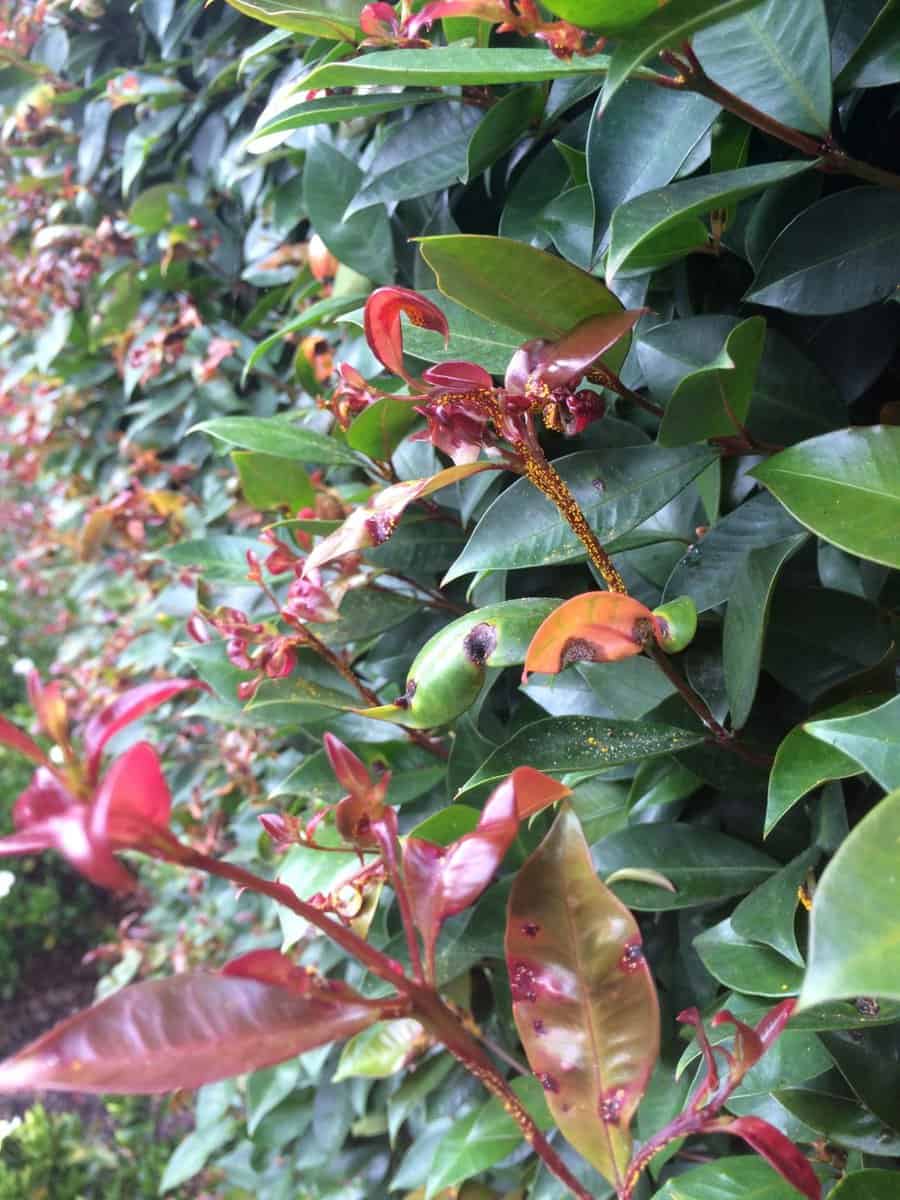
How do Scientists Understand Myrtle Rust?

Conversations with six myrtle rust experts from Scion, Plant and Food and Beyond Myrtle Rust Commissioned by Centre for Indigenous Psychologies, and He Taonga Kē…
View Video
Media

Pests invaluable research material

Not many people welcome the discovery of wasp nests, but they are providing invaluable research material for two Dunedin students. University of Otago genetics PhD…
View Media
Report

The use of AI (artificial intelligence) in New Zealand for the sorting of images and classification of animal pest species

This report has been commissioned by the Biological Heritage Challenge to review the current development and use of Artificial Intelligence (AI) for sorting and classifying…
View Report
Publication

Mitonuclear interactions, mtDNA-mediated thermal plasticity and implications for the Trojan Female Technique for pest control

Here we test whether the male-sterilizing effects previously associated with the mt:Cyt-b mutation are consistent across three thermal and three nuclear genomic contexts. The effects of this…
View Publication
Publication

New Zealand shouldn’t ignore feral cats

A letter to BioScience: A publication in Nature (Owens 2017) attracted our attention recently. The article refers to the ambitious, arduous, and encouraging plan to…
View Publication

Enjoying our content?

Check out our inventory of research outputs and resources
Scroll to Top