Online presentation from Crazy & Ambitious 4: Co-design for community surveillance, with Te Poari Newton, Stevee Raureti, Brayden Hohaia, and Serene Ratu, from Kāwai Kaimai.…
Over 120 attendees representing community groups, iwi, research organisations, councils and government agencies came together online for the inaugural Kauriland Summit in June 2021. The…
CRISPR gene drives have potential for widespread and cost-efficient pest control, but are highly controversial. We examined a potential gene drive targeting spermatogenesis to control…
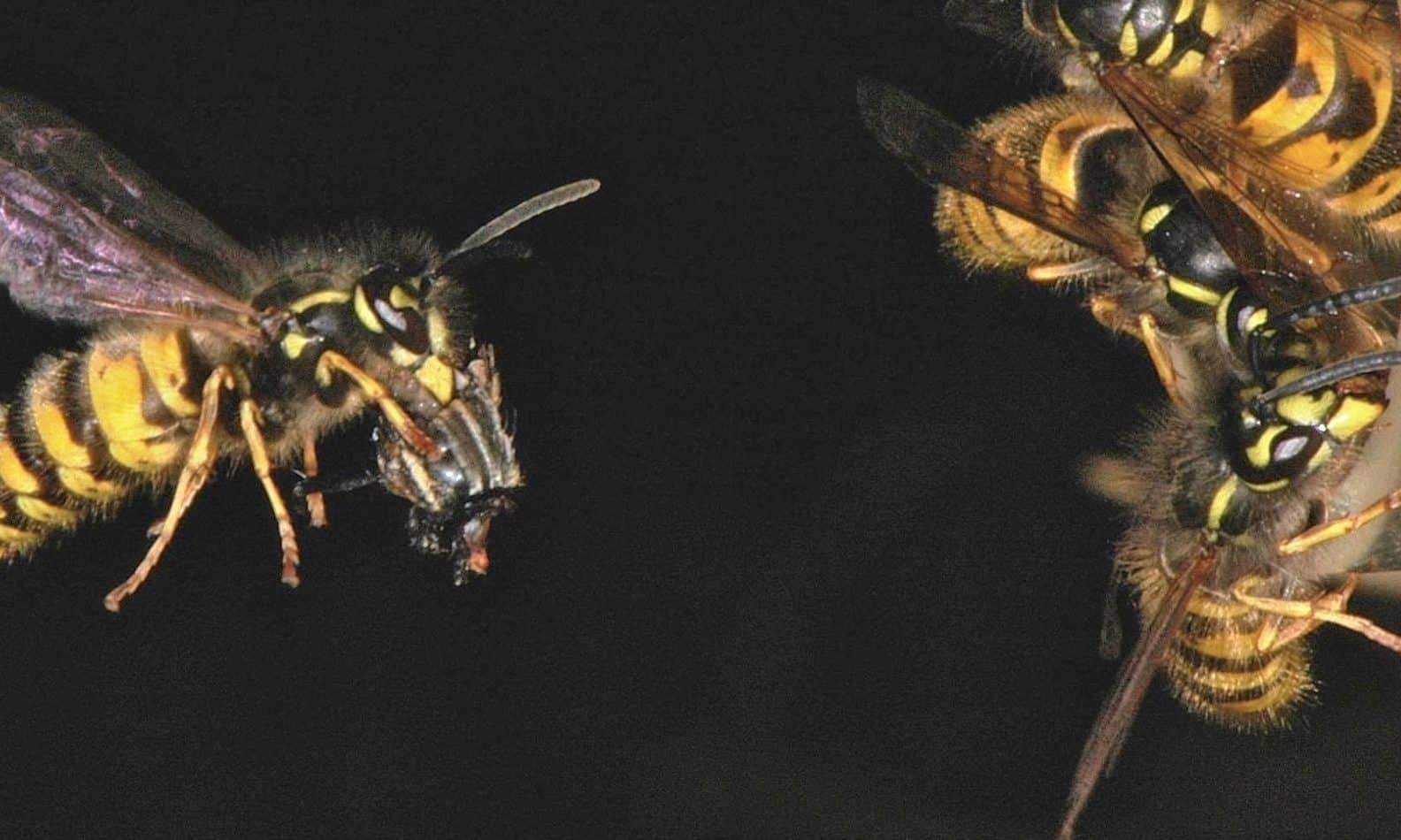
Three species of Vespula have become invasive in Australia, Hawai‘i, New Zealand, and North and South America and continue to spread. These social wasp species can achieve…
Large-scale invasive species control initiatives are motivated by laudable desires for native species recovery and economic benefits, but they are not without risk. Management interventions…
There is a classic problem in ethics of reconciling the moral standing of collectives (e.g. populations, species and ecosystems) with the moral standing of individuals. We…
Social wasps are amongst the most loathed exotic predators in New Zealand, with widespread adverse impacts on native ecosystems and fauna. Sustainable alternatives to pesticides…
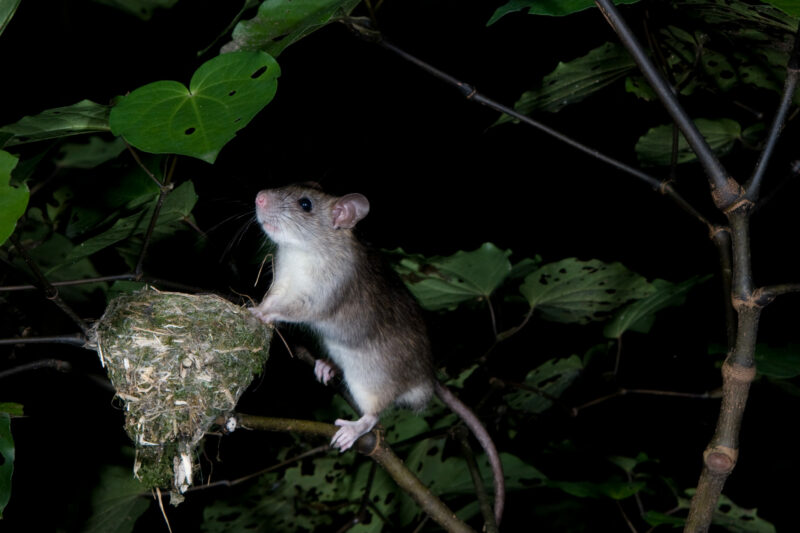
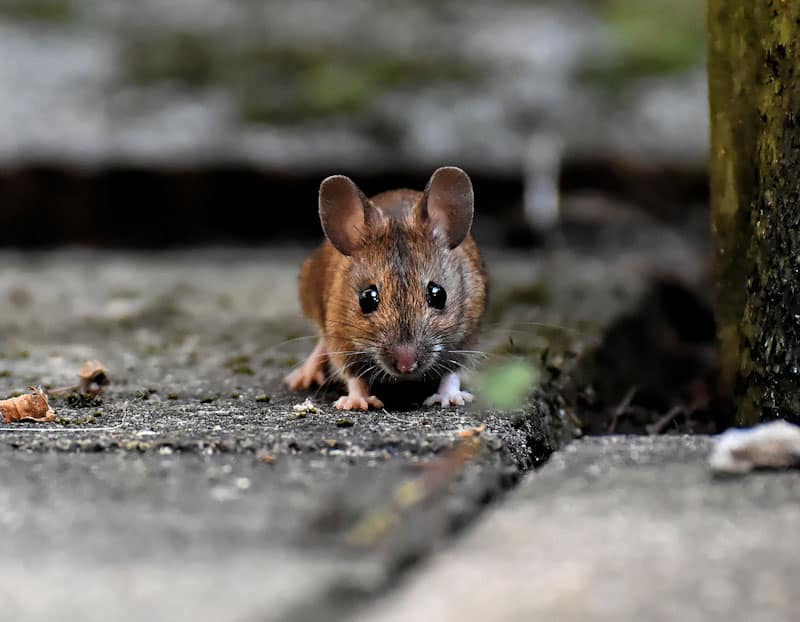
Reinvasion of pest animals after incomplete control is a major challenge for invasive species management, yet little is known about the behavioural and demographic categories…
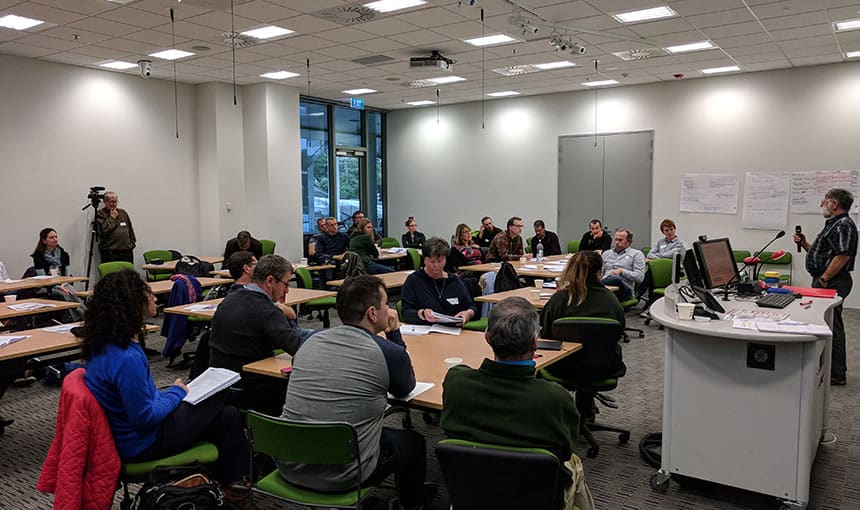
In a move to enhance information sharing in vertebrate pest management, a Small Mammal Research Collective consisting of representatives of key stakeholder groups was established…
It is widely acknowledged that Indigenous peoples have traditional knowledge relevant to modern environmental management. By asserting roles within associated science and policy networks, such…
Invasive animal species threaten global biodiversity. In New Zealand invasive species threaten iconic native species, and scientists are seeking approval to research new technologies that…