Te Whakahononga led a new approach to scientific research aiming to ensure equitable status for mātauranga Māori alongside western knowledge, and mana whenua with researchers…
An ArcGIS storymap created by the Tauranga Moana Biodiversity Management Area documenting the research mahi delivered through Te Whakahononga Pou and funded by Ngā Rākau…
This project has been designed to assist DOC to better understand their challenges and priorities when partnering with Māori, identifying material and resources likely to…
Working with Tangata Kokiri and mana whenua, ‘an issues paper’, provides the foundation for potential impacts for mana whenua and their whanau/hapū, communities and other…
This report outlines the results of reflective conversations with each of the Oranga Programme mātauranga based Project team leads. Specifically, these Projects include: RA1 –…
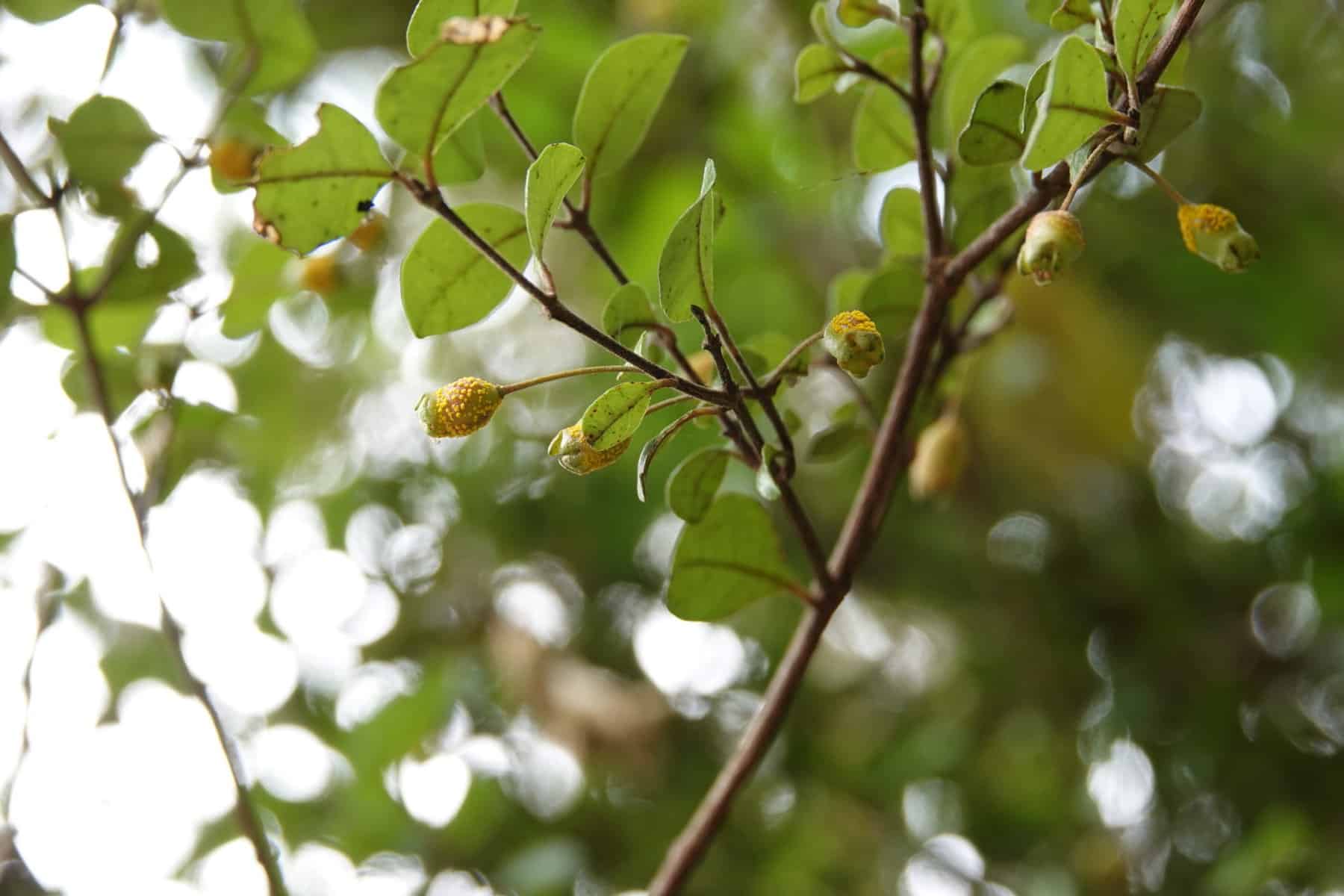
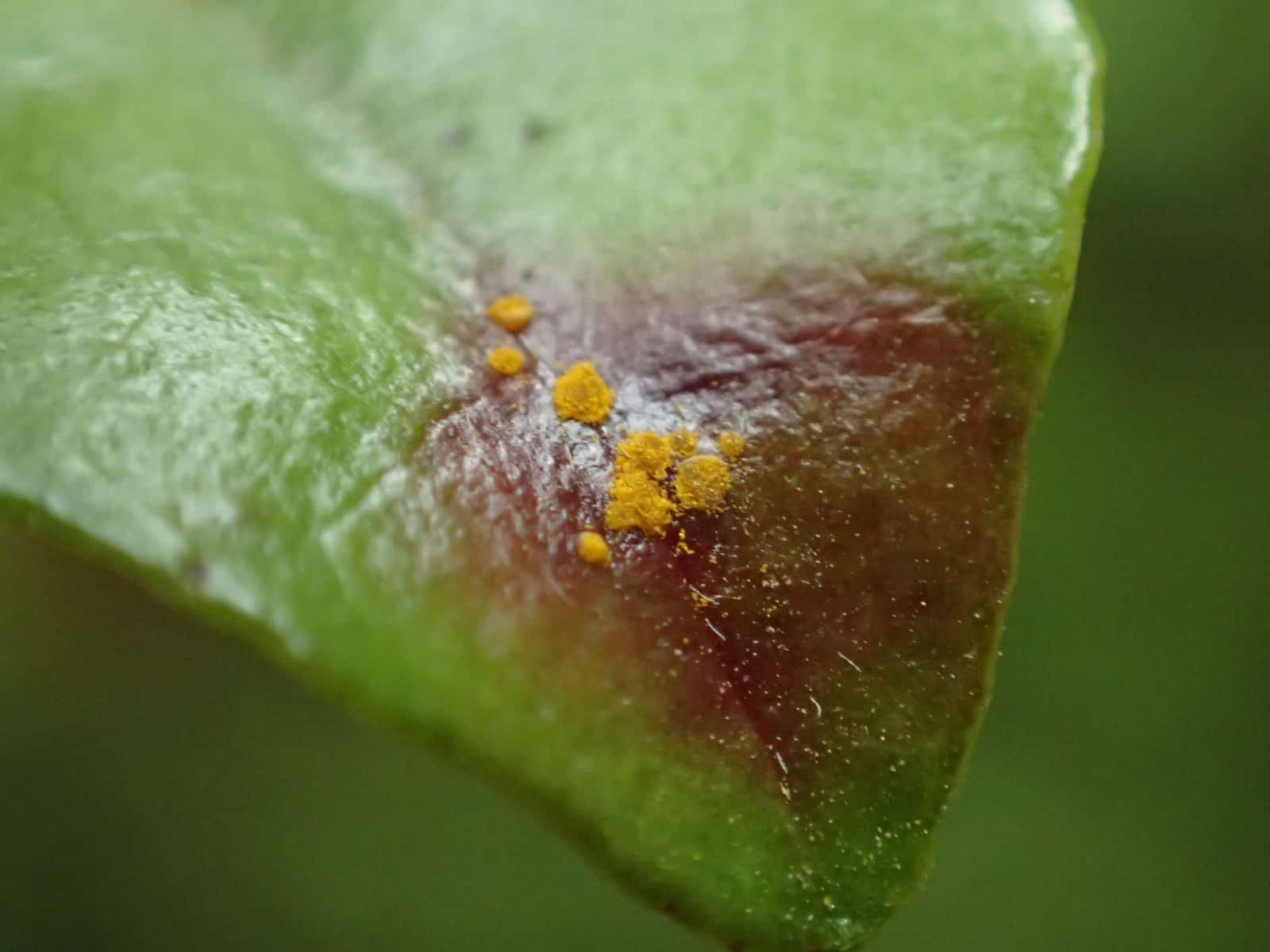
Myrtle Rust impacts on our environment but is also impacted on our native and natural eco- systems. Our strategy plan, “Toitoi Manawa” means to motivate,…
Conversations with six myrtle rust experts from Scion, Plant and Food and Beyond Myrtle Rust Commissioned by Centre for Indigenous Psychologies, and He Taonga Kē…
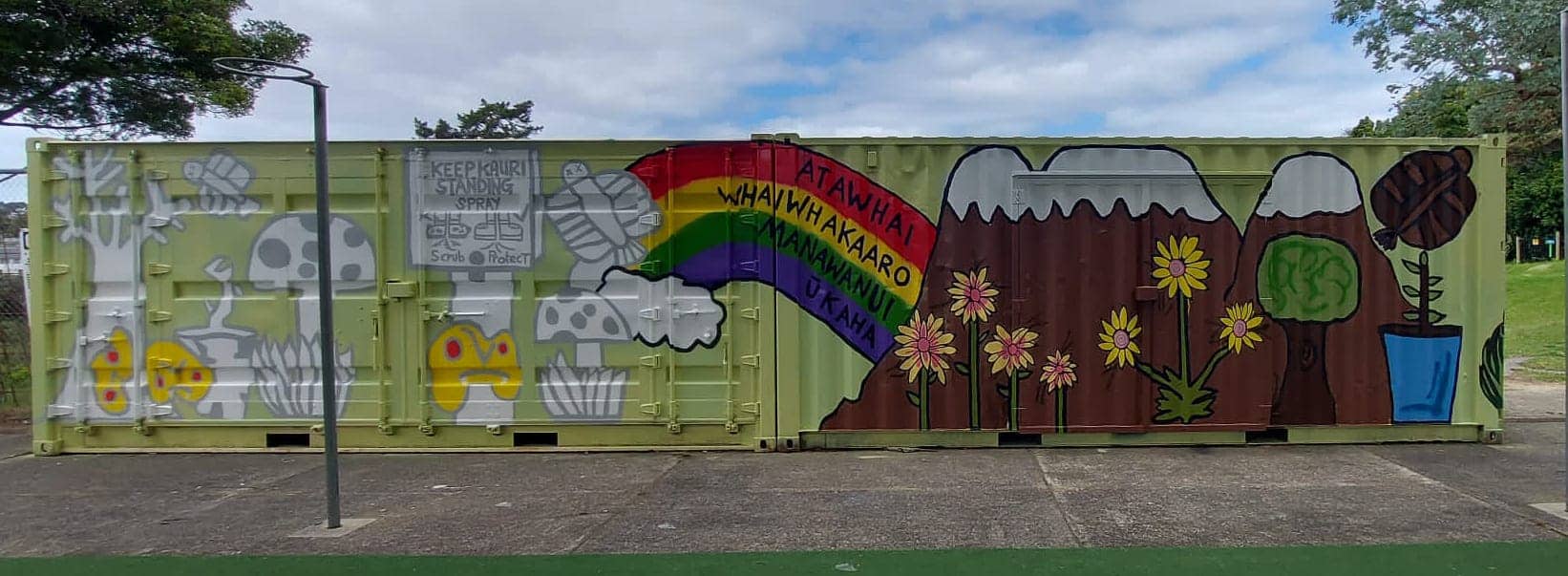
Mobilising for Action’s Toitū te Ngahere (TTN) project partnered with five primary schools, in Auckland and on Aotea Great Barrier Island, to create children’s art…
Myrtle rust has been found on a hedge in Ōtautahi-Christchurch, the furthest south an established infection of the plant disease has been seen. RNZ spoke…
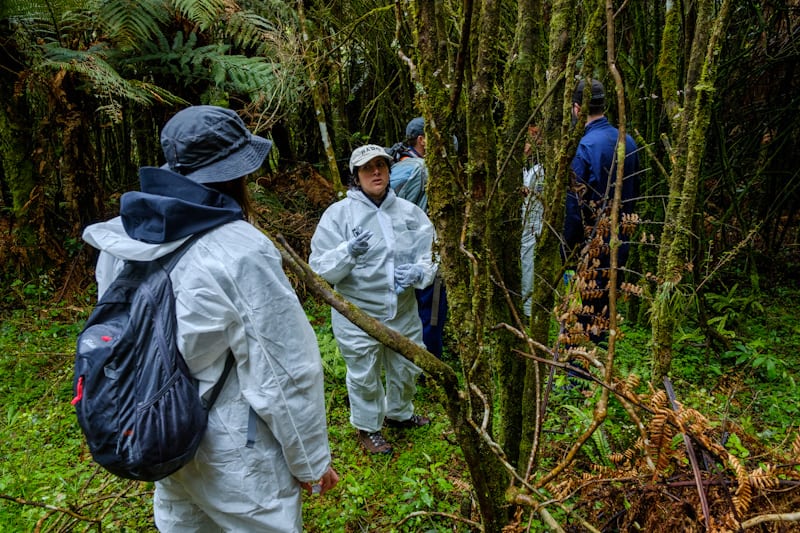
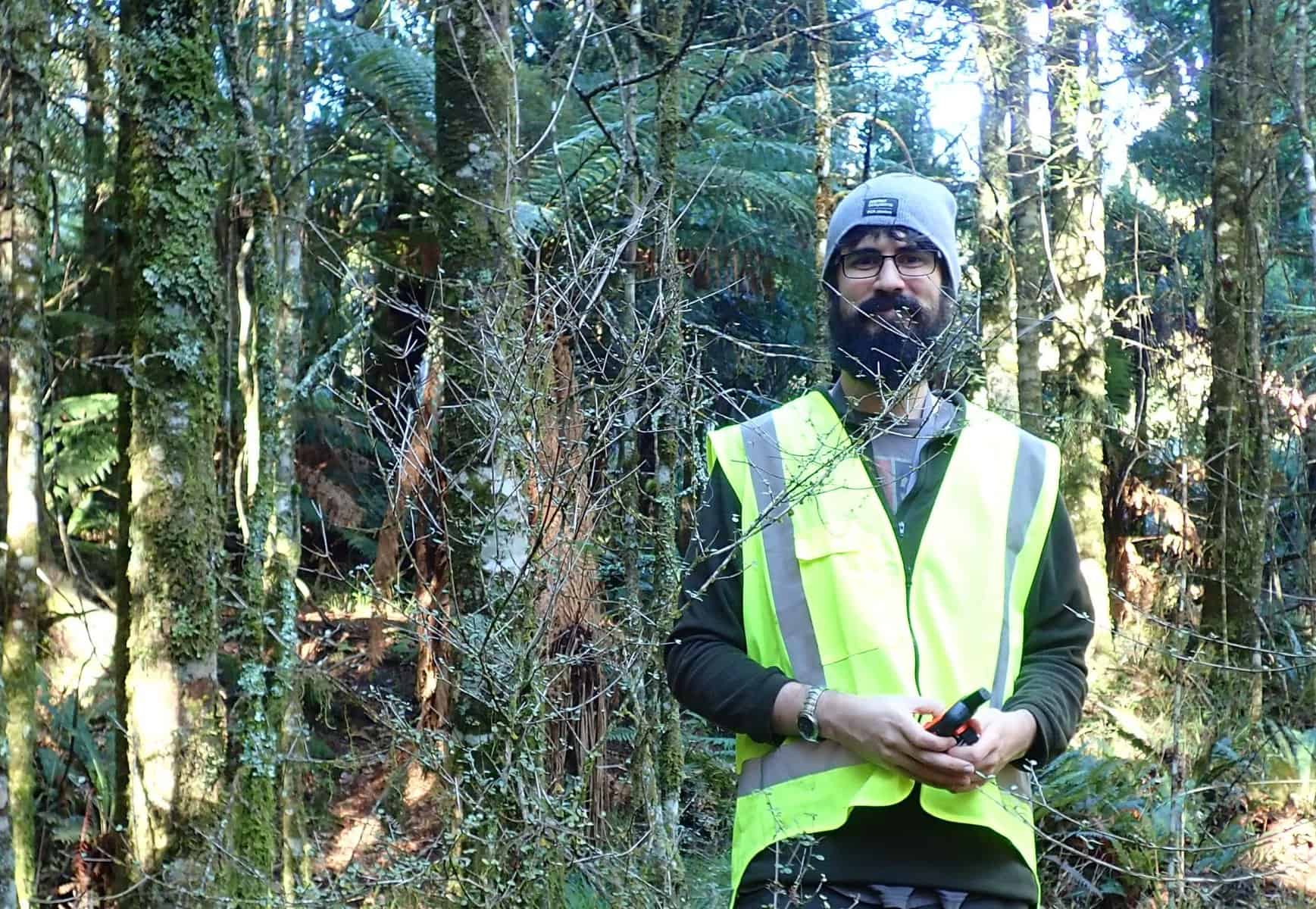
We’re in the field with Roanne Sutherland from Scion, talking about monitoring myrtle rust. This plant pathogen arrived in Aotearoa in 2017 and has been…
A list of past and current research focussed on biology, impacts and management of myrtle rust is now available. This updated stocktake builds on work…
Mobilising for Action (MFA) is a transdisciplinary project consisting of social researchers and community knowledge holders and practitioners, largely situated in Aotearoa|New Zealand, but also…
Syzygium maire (swamp maire) is an endemic New Zealand Myrtaceae tree species. Current threats to this species include habitat destruction, myrtle rust, declining remnant populations…
Current knowledge about the vulnerability of New Zealand’s native myrtle species to Austropuccinia psidii comes from resistance screening of young seedlings performed with artificial inoculation…