Report
He taonga kē ngā kaumātua: Kaumātua perspectives of te taiao, ngahere and taonga species
Funded by the Mobilising for Action theme, and led by the Centre for Indigenous Psychologies , this storymap documents themes that emerged from wānanga (purposeful…
Report
Te Māra Tautāne
Te Māra Tautāne is a collaborative research project between hapū members of Te Māhurehure in the Rūātoki Valley, and researchers at the Centre for Indigenous…

Tool or Model
Toitū te Ngahere Lesson Plan
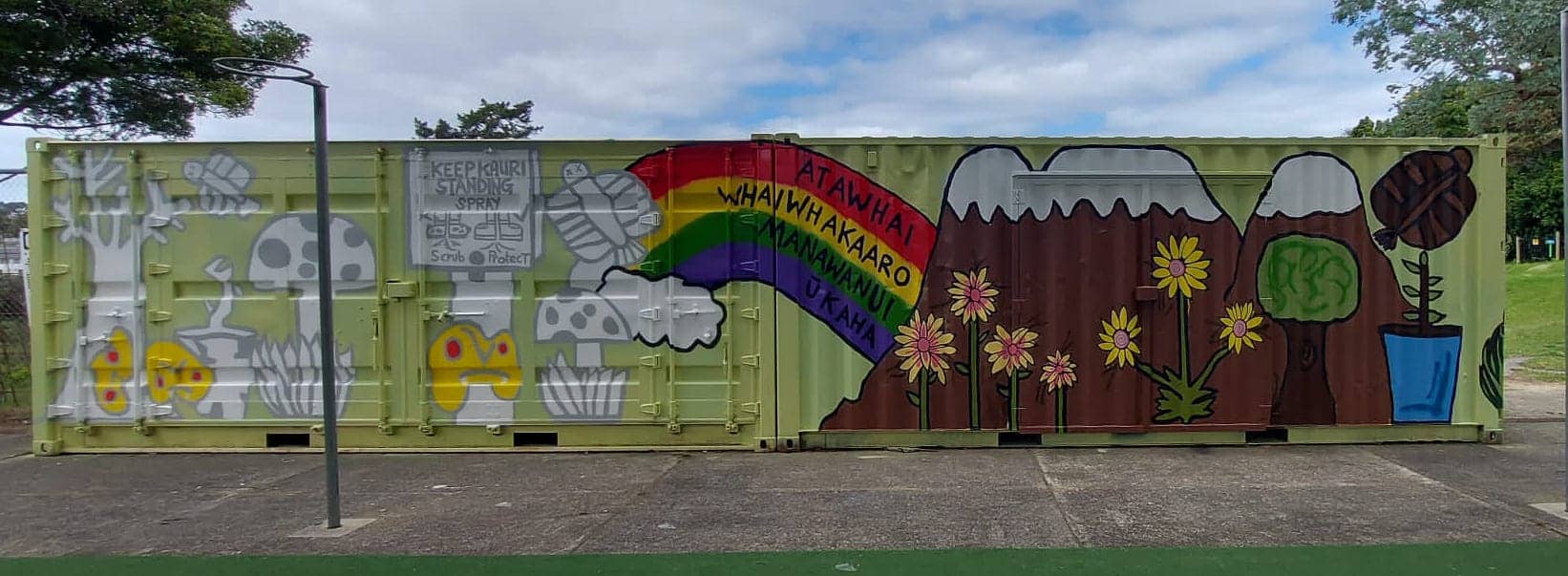
Toitū te Ngahere, the Arts in Schools for Forest Health project, was a collaborative research project involving university researchers, five primary schools and their communities,…

Publication
Susceptibility of native New Zealand Myrtaceae to the South African strain of Austropuccinia psidii: A biosecurity threat
Austropuccinia psidii, the cause of myrtle rust, has spread globally where Myrtaceae occur. Multiple strains of A. psidii have been identified, including a unique strain found…

Video
Host, Pathogen & Environment 2022
The ‘Host, Pathogen and Environment’ team is focusing on the ‘disease triangle’: host susceptibility, the pathogen and the right environment for disease expression. They are…
Publication
Positioning Research to Improve Tree-Biosecurity Relations
Management of biosecurity threats to forests and indigenous trees needs to address the legacy of colonising practices that have prohibited diverse knowledges from being included.…
Publication
Resistance of New Zealand Provenance Leptospermum scoparium, Kunzea robusta, Kunzea linearis, and Metrosideros excelsa to Austropuccinia psidii
Resistance to the pandemic strain of Austropuccinia psidii was identified in New Zealand provenance Leptospermum scoparium, Kunzea robusta, and K. linearis plants. Only 1 Metrosideros…
Report
Ngā Rākau Taketake scoping panel report
This report was created by the Ngā Rākau Taketake scoping group and focuses on combatting the plant pathogens that cause kauri dieback and myrtle rust.…
Video
Te Whakahononga – the video
Produced by Taimania Productions Ltd. for Te Whakahononga research programme. Launched at the Kaurilands Summit 2023, hosted by Ngā Rākau Taketake. To find out…
Related News