An ArcGIS storymap created by the Waitaka Biodiversity Management Area documenting the research mahi delivered through Te Whakahononga Pou and funded by Ngā Rākau Taketake.
Environmental education is increasingly important worldwide as complex environmental challenges continue to emerge. Aotearoa-New Zealand is not exempt from this, with extreme weather events, ecosystem…
This project has been designed to assist DOC to better understand their challenges and priorities when partnering with Māori, identifying material and resources likely to…
He Taonga Kē Te Ngahere is about better understanding the meaning and value Māori give to te taiao (the natural environment), ngahere (forest) and taonga…
Learn more out about the Māra Tautāne through this e-book that was created for the unveiling ceremony. Also see: https://www.mobilisingforaction.nz/research-ra1-2/#resources
Several favourite walking, tramping, cycling, kayaking, and boating spots in Aotearoa NZ are now co-managed by Māori organisations and government agencies. These co-governance and co-management…
This video is part of the project Māori Resistance and Resilience Through Aotearoa-Based Planning and Resource Management, led by Kairangahau Māori Lara Taylor (Ngāti Tahu,…
Some of New Zealand’s native plants are undergoing cryopreservation freezing as scientists explore conservation techniques that could protect at-risk species for future generations. RNZ spoke…
Walking has gained prominence in social sciences as a source of inspiration for scholarly narratives and methodological experimentation with embodied ways of knowing. Walking across…
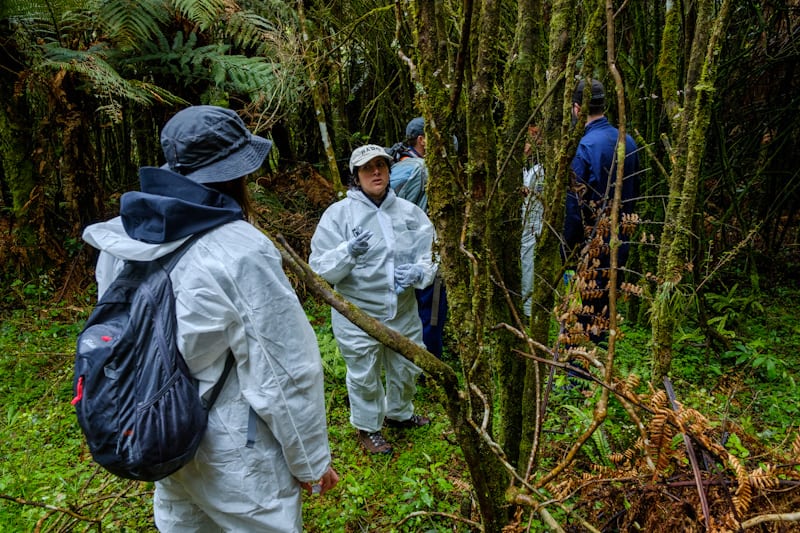
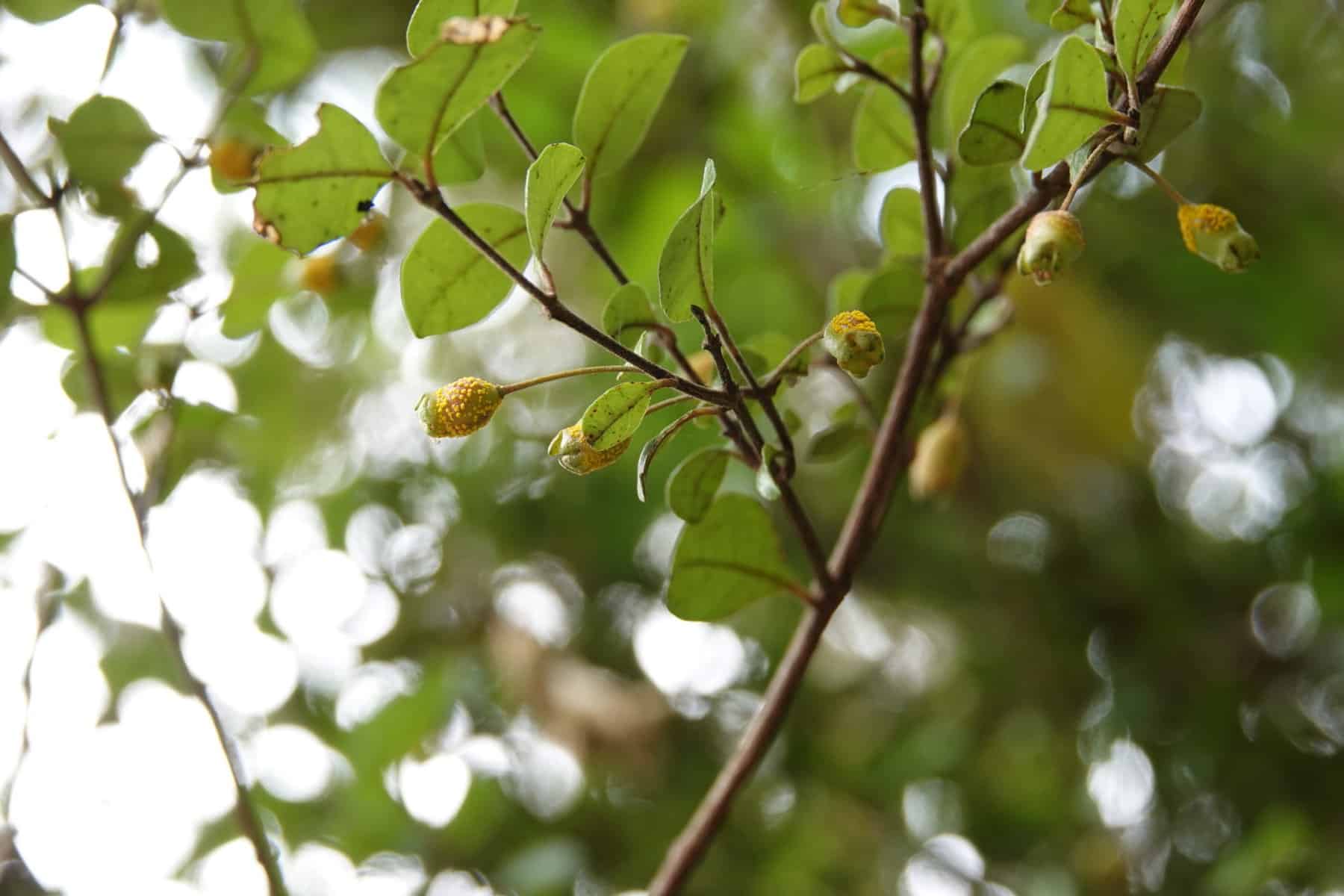
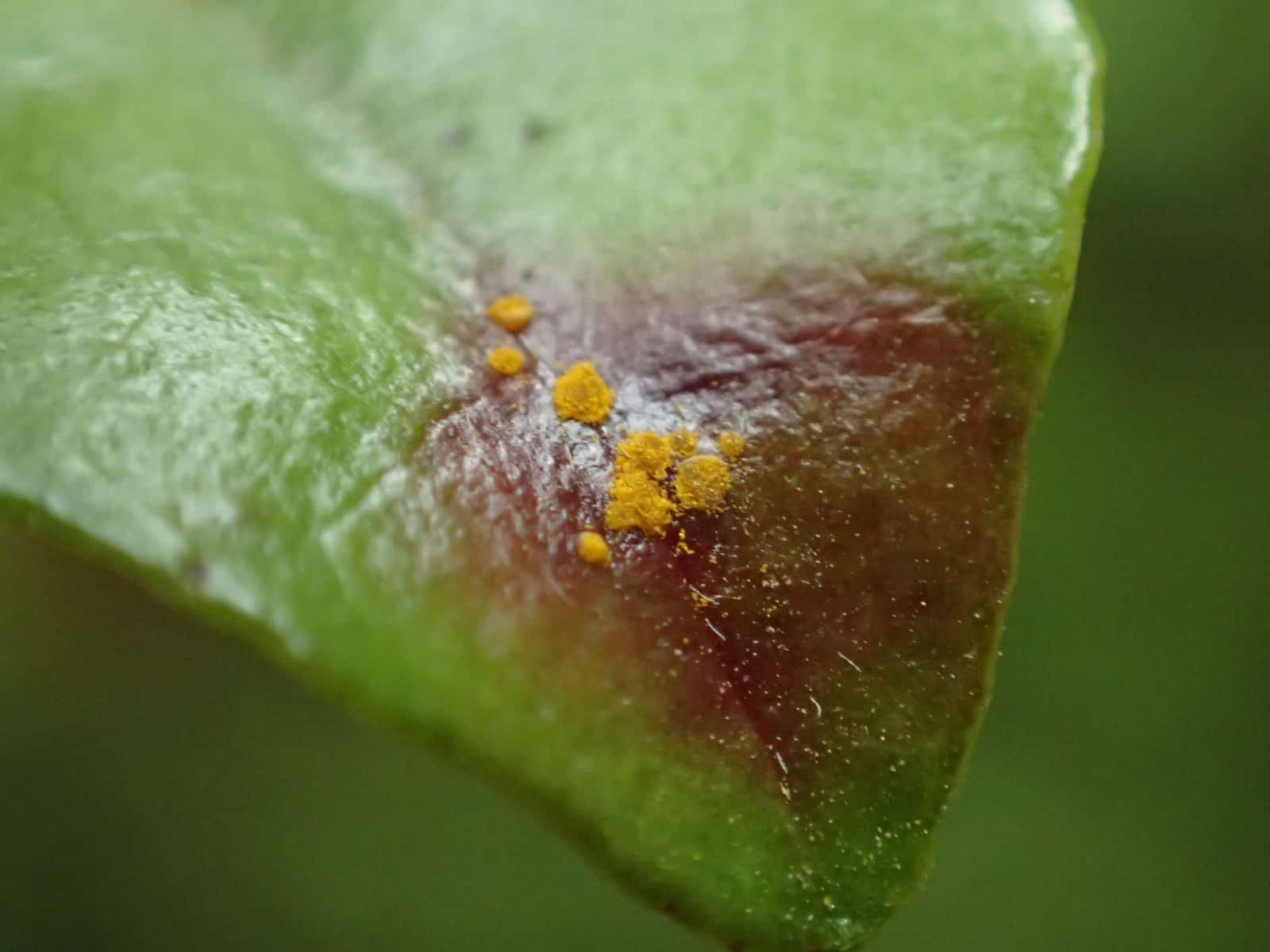
The detection of kauri dieback and myrtle rust pathogens in Aotearoa|New Zealand prompted the government to fund research and engagement into what has been constructed…
Knowledge co-production has become a central feature of many sustainability efforts, with global environmental governance networks and scientific research forums calling for representative and context-specific…
Syzygium maire is a highly threatened Myrtaceae tree species endemic to New Zealand. Due to its recalcitrant seed storage behaviour, cryopreservation is the only viable…
Restoration genetics of maire tawake – a nationally critically threatened tree species. Presented as part of the Kaurilands Summit 2023, hosted by Ngā Rākau Taketake.…