There are dozens of published pest risk assessments and pest risk assessment frameworks, but only a fraction of those published are actually used in decision-making.…
There is a global need for novel, next-generation technologies and techniques to manage pest species. We review work on potential step-changing technologies for large landscape…
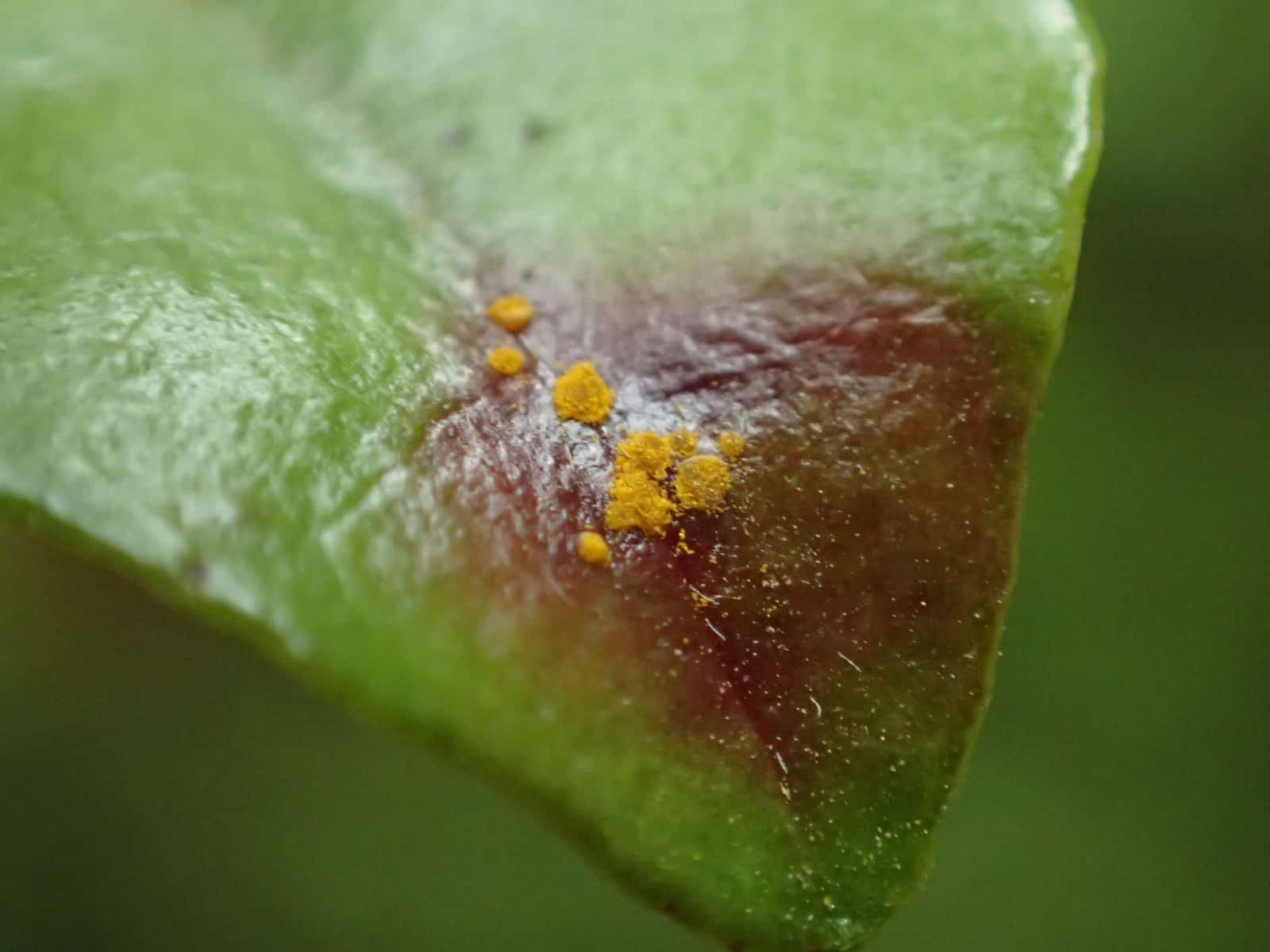
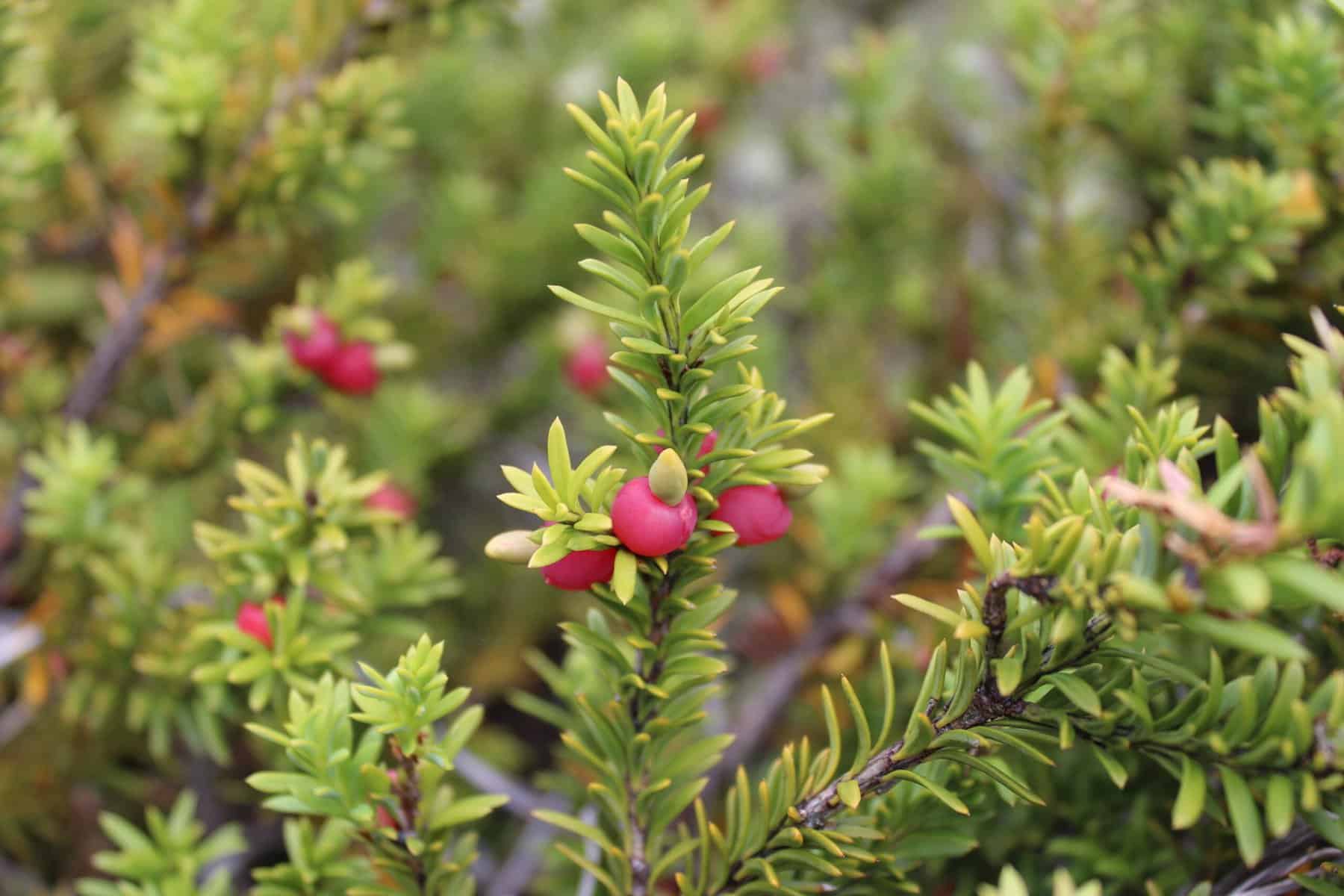
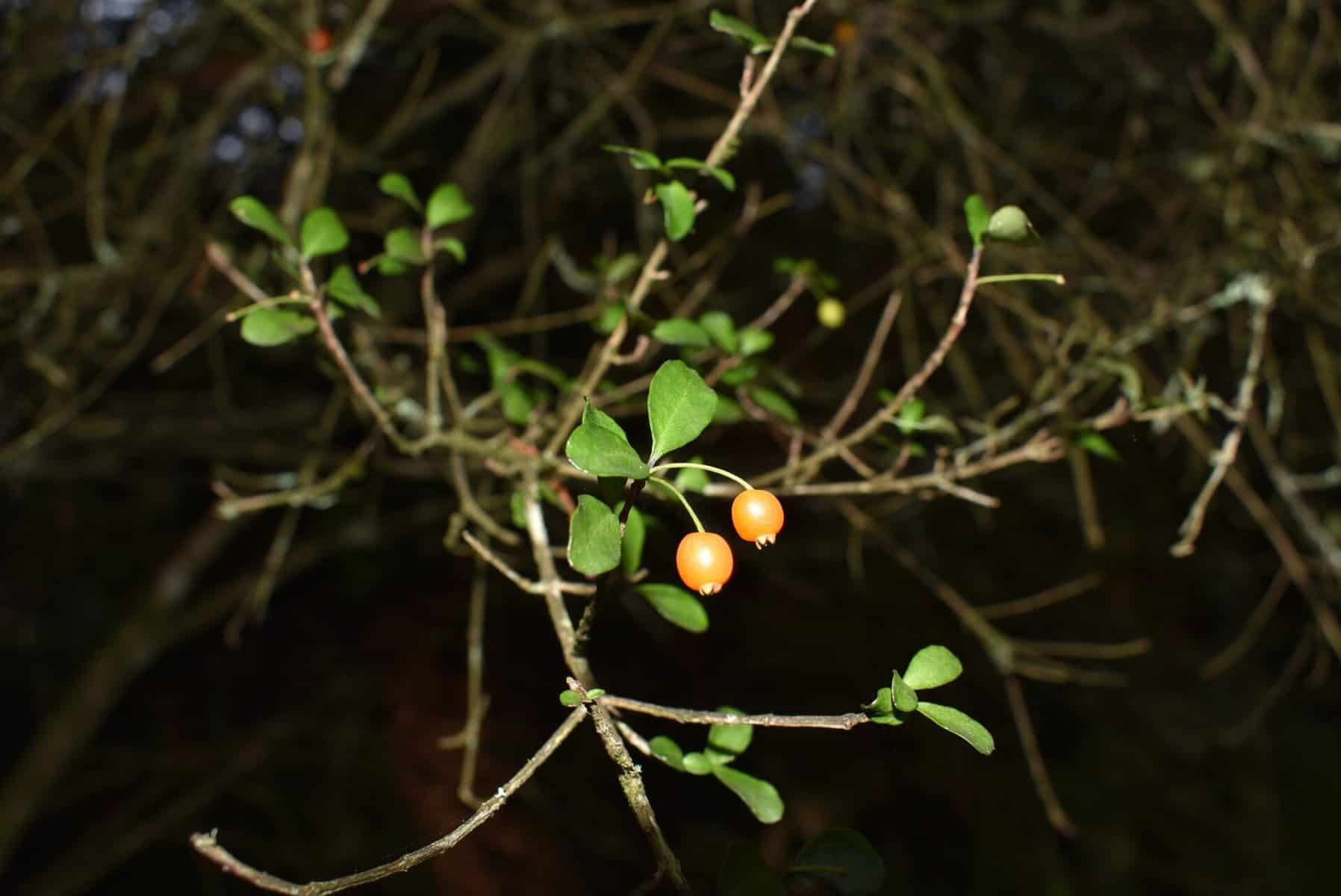
Syzygium maire (swamp maire) is an endemic New Zealand Myrtaceae tree species. Current threats to this species include habitat destruction, myrtle rust, declining remnant populations…
This report was put together by the Strategic Outcome 4 group, focused on state-of-the-art surveillance systems for Aotearoa. Scoping panel reports are documents that paint…
Understanding the distribution of genetic variation in ramarama and its potential implications for conservation. Presented as part of the Kaurilands Summit 2023, hosted by Ngā…
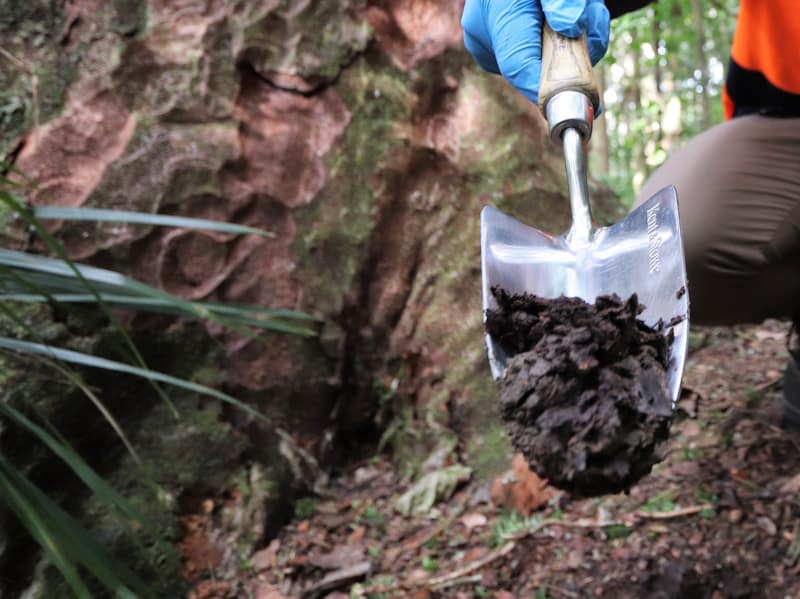
Advances in the sequencing of DNA extracted from media such as soil and water offer huge opportunities for biodiversity monitoring and assessment, particularly where the…
Real-time polymerase chain reaction (qPCR) and loop-mediated isothermal amplification (LAMP) have been published as molecular detection techniques for P. agathidicida; however, they are not yet…
Soil ecosystems consist of complex interactions between biological communities and physico-chemical variables, all of which contribute to the overall quality of soils. Despite this, changes…
Arthropods have been useful and important ecological indicators of environmental change, but morphological identification of key groups is labour-intensive and expertise-demanding. Molecular methods using environmental…
How can we support early detection of new pests and increase our understanding of the distribution and density of existing pests? Through harnessing citizen science!
Trust in science and scientists (TSS) is an increasingly important topic with respect to how science is applied within society. However, its role regarding specific…
Predators compete aggressively for resources, establishing trophic hierarchies that influence ecosystem structure. Competitive interactions are particularly important in invaded ecosystems where introduced predators can suppress…
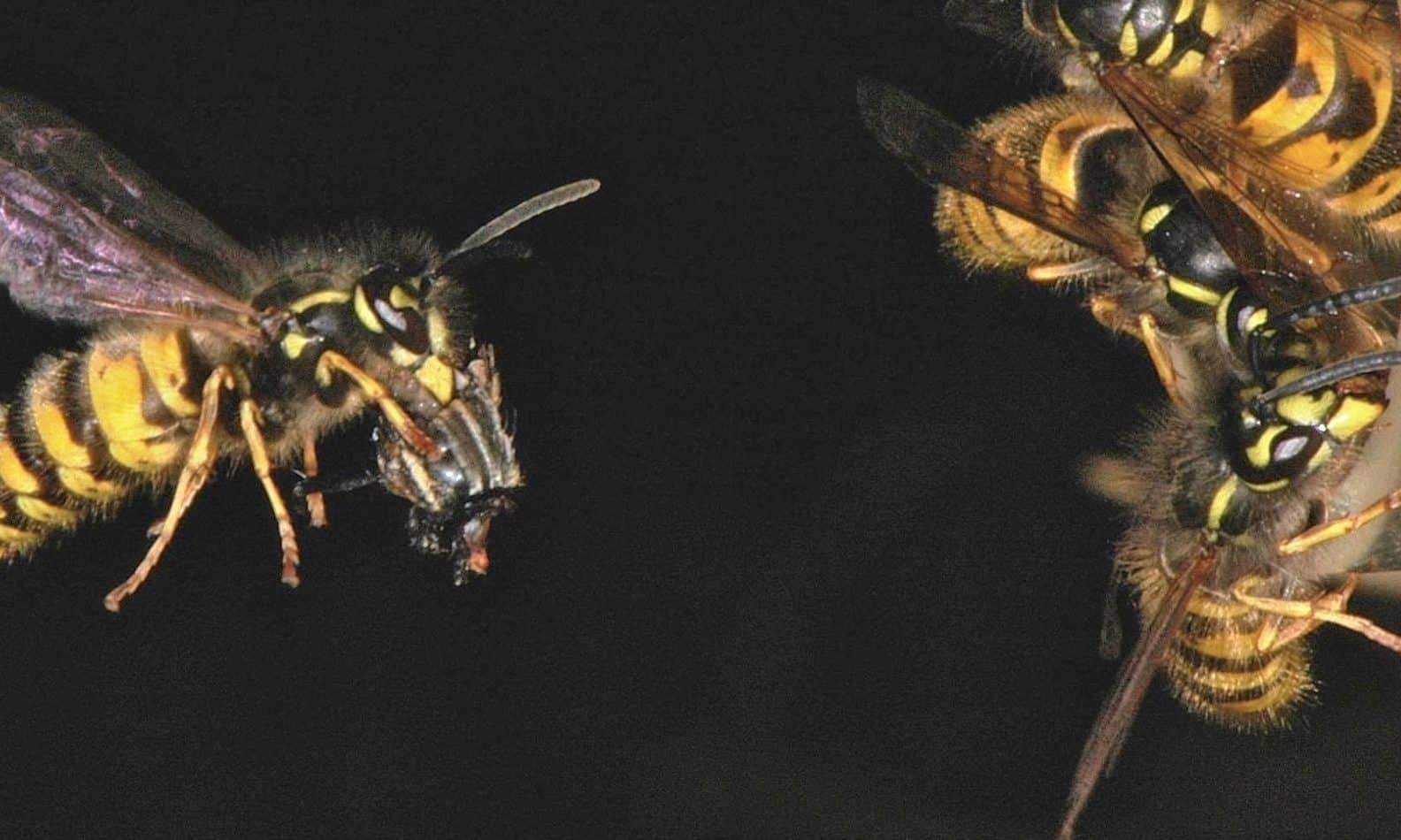
Social insects are successful and globally significant invaders. Compared to ongoing suppression, eradication is seen as an ideal solution and cost effective in the long…
DNA-based monitoring tools are routinely used for conservation, biodiversity, and biosecurity surveillance. Aotearoa New Zealand lacks a national DNA reference library for local species, which…
Genetic technologies could be very useful for pest control in Aotearoa New Zealand, but social acceptance and support is needed before these can be considered,…
Online presentation from Crazy & Ambitious 4 (Day 1): Te Tiriti-guided national DNA reference library, with Manpreet Dhami, Maanaki Whenua Landcare Research.