TrapSim Plus is a simulation tool to help managers quickly compare the efficacy and cost of controlling invasive predators using traps and/or bait stations, and…
Wānanga 5: Cross-project fertilisation of best practice Te Tiriti-guided national DNA reference library wānanga series Facilitators: Nick Jones (Ngāti Kahungunu ki te Wairoa, Pākehā)…
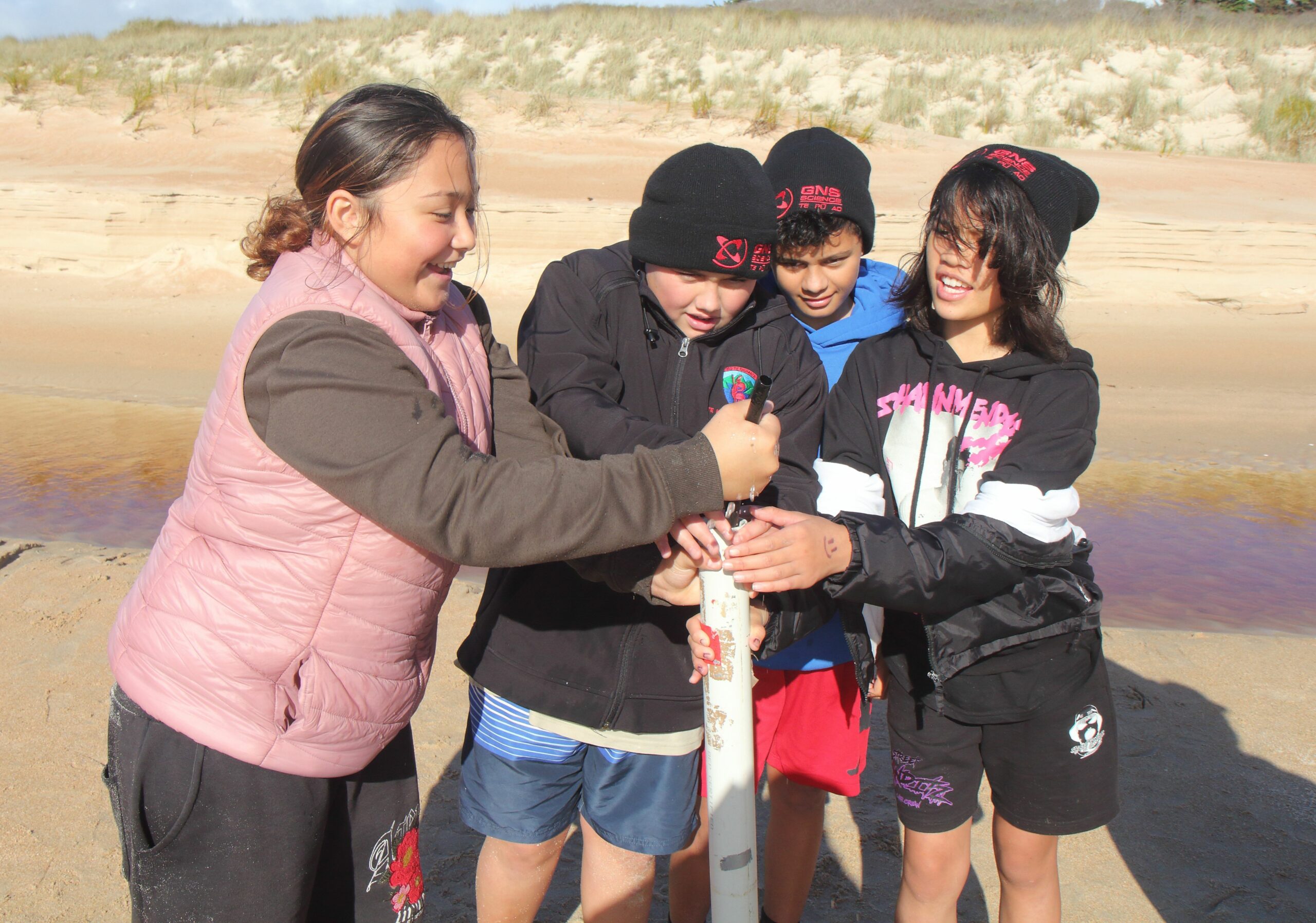
Online presentation from Crazy & Ambitious 4: Co-design for community surveillance, with Te Poari Newton, Stevee Raureti, Brayden Hohaia, and Serene Ratu, from Kāwai Kaimai.…
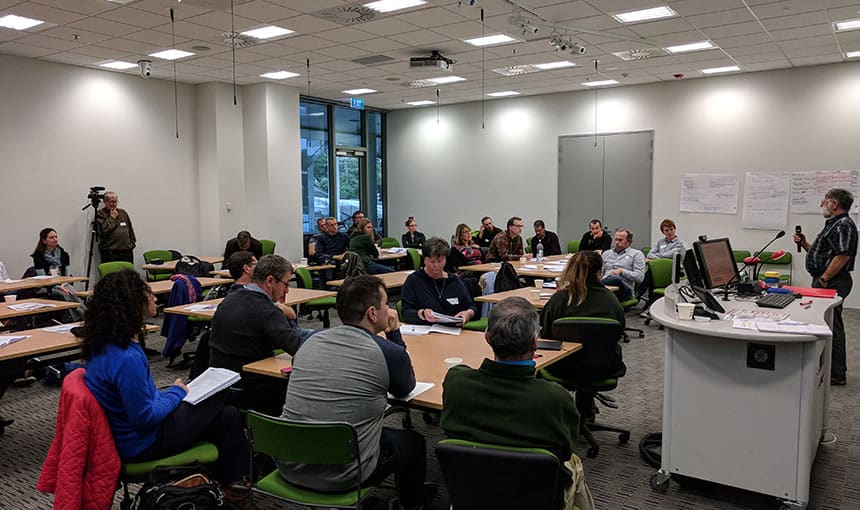
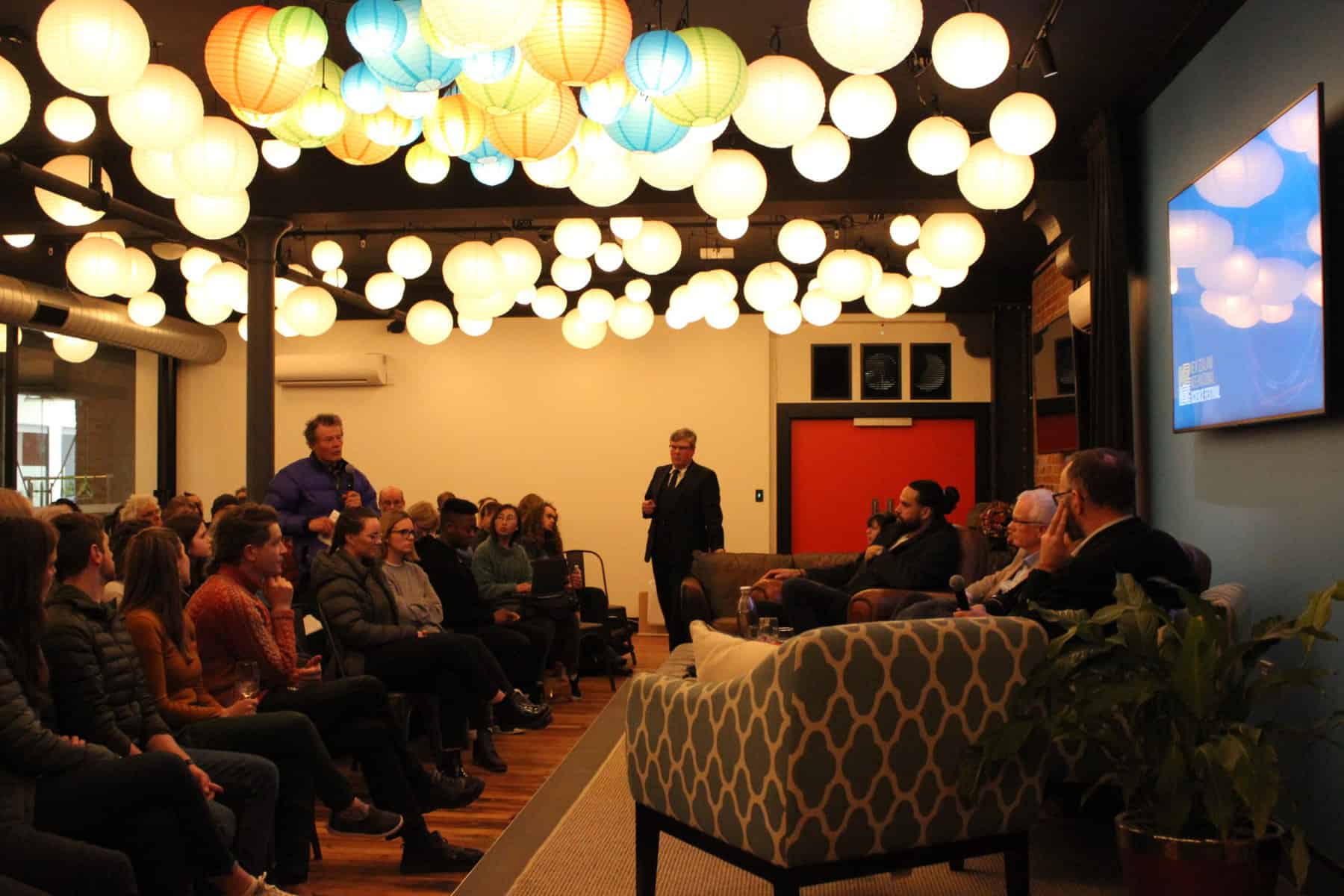
A playlist of presentations given at New Zealand’s Biological Heritage Science Challenge inaugural conference, Crazy & Ambitious. 8-10 May 2017, Te Papa Wellington
A visual summary of findings from a qualitative research study with bush users in Titirangi, exploring culture, values, attitudes and behaviour, plus their experience of…
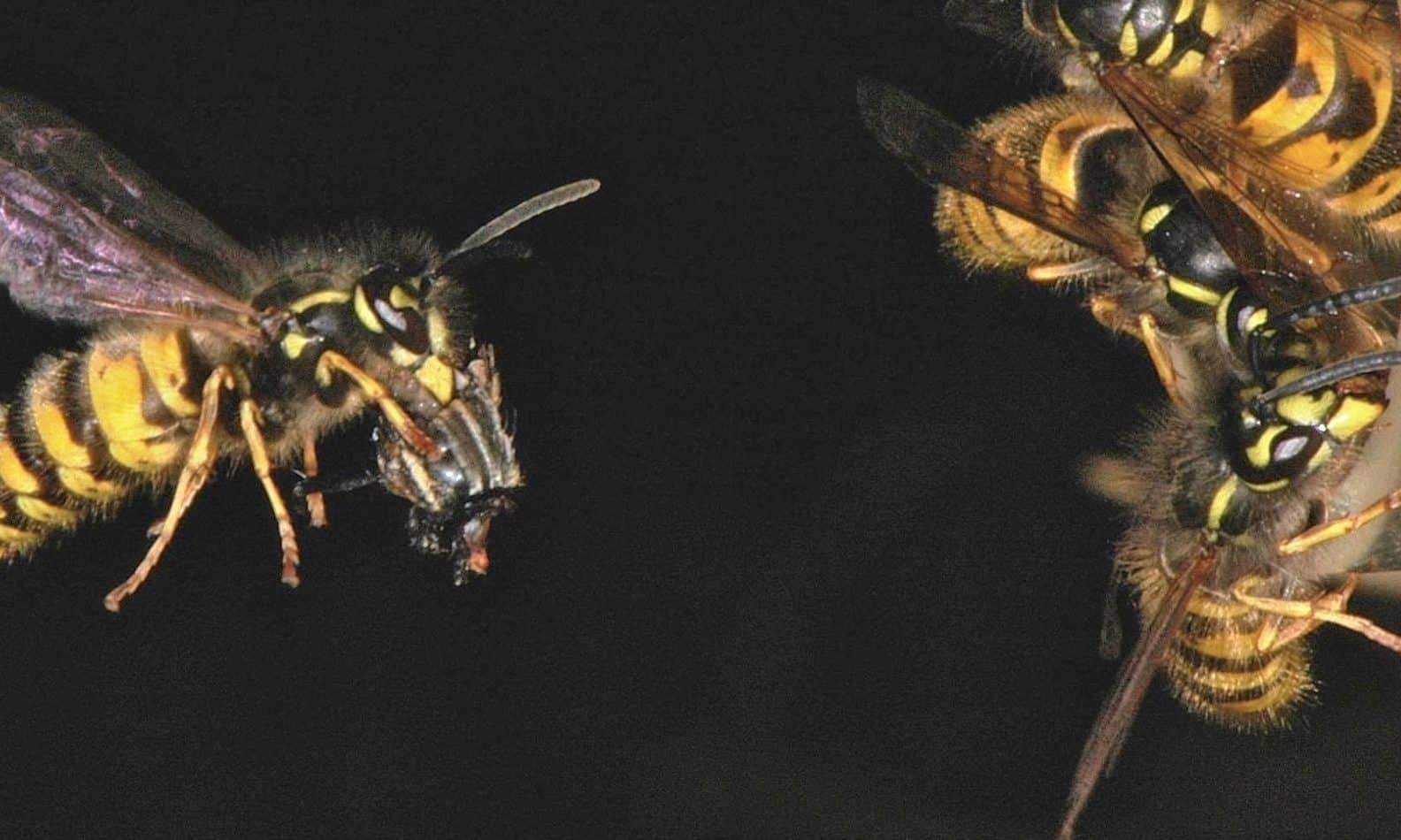
We gathered Māori perspectives on novel biotechnological controls for pest wasps through three distinct studies. Study participants included tertiary students, businesses, and spiritual or religiously…
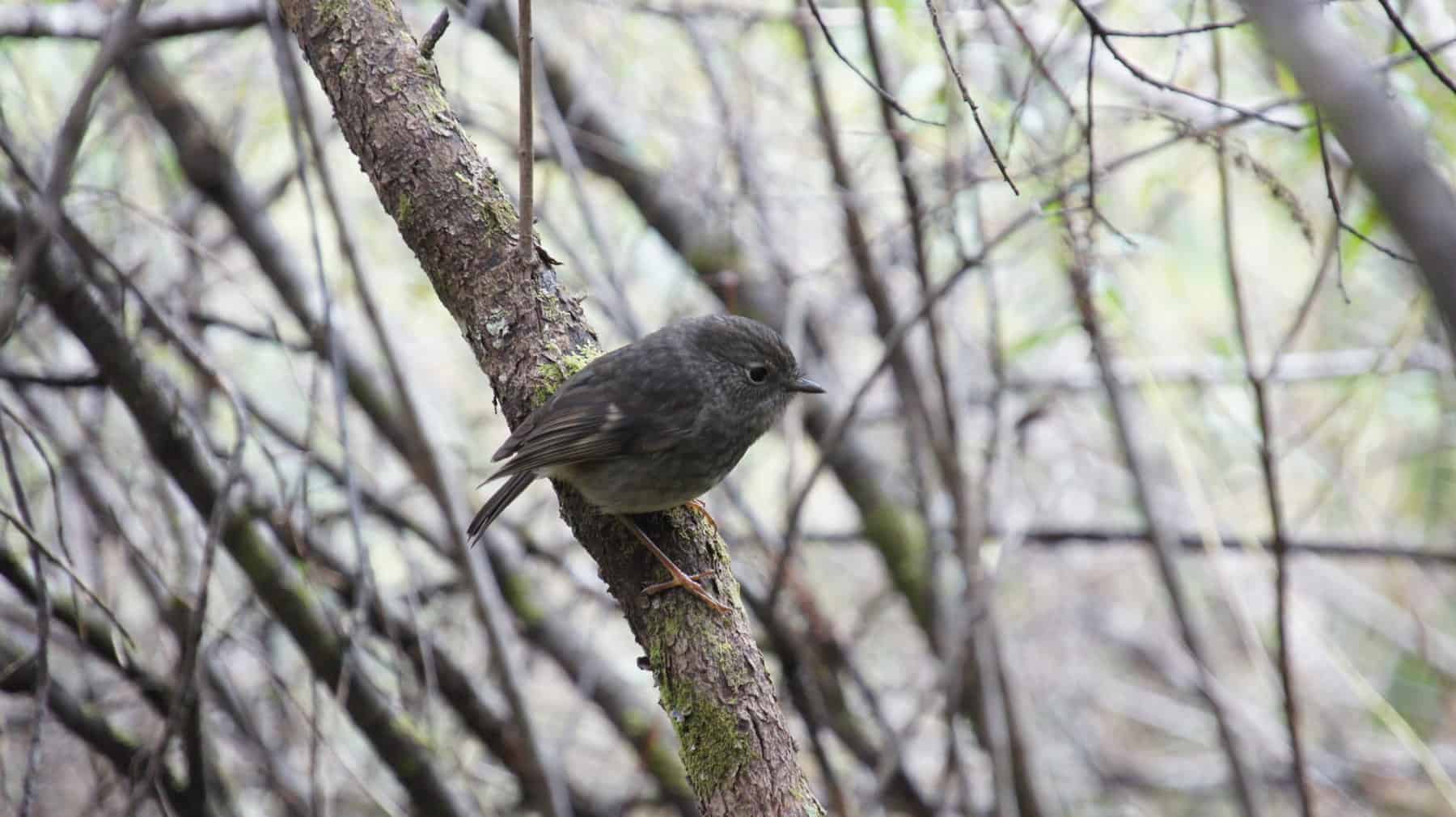
We devised a field experiment to investigate whether dominant predator (ferret Mustela furo) body odor would alter the behavior of three common mesopredators: stoats (Mustela erminea), hedgehogs…
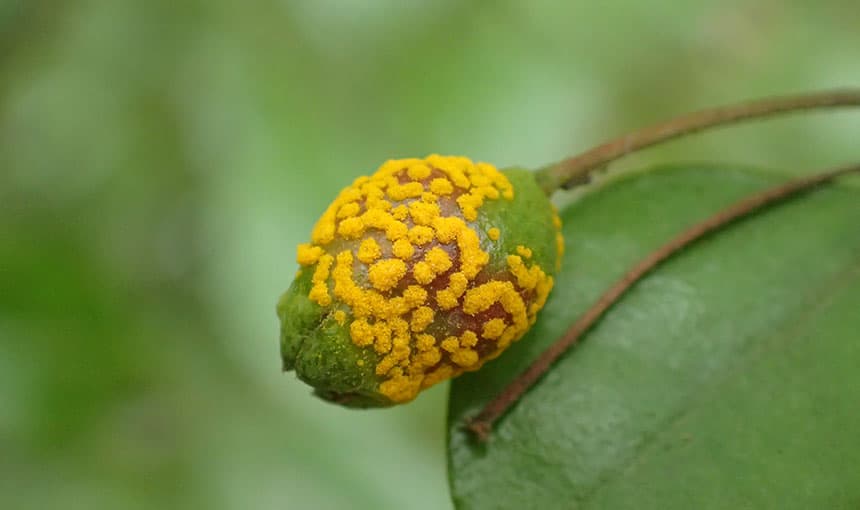
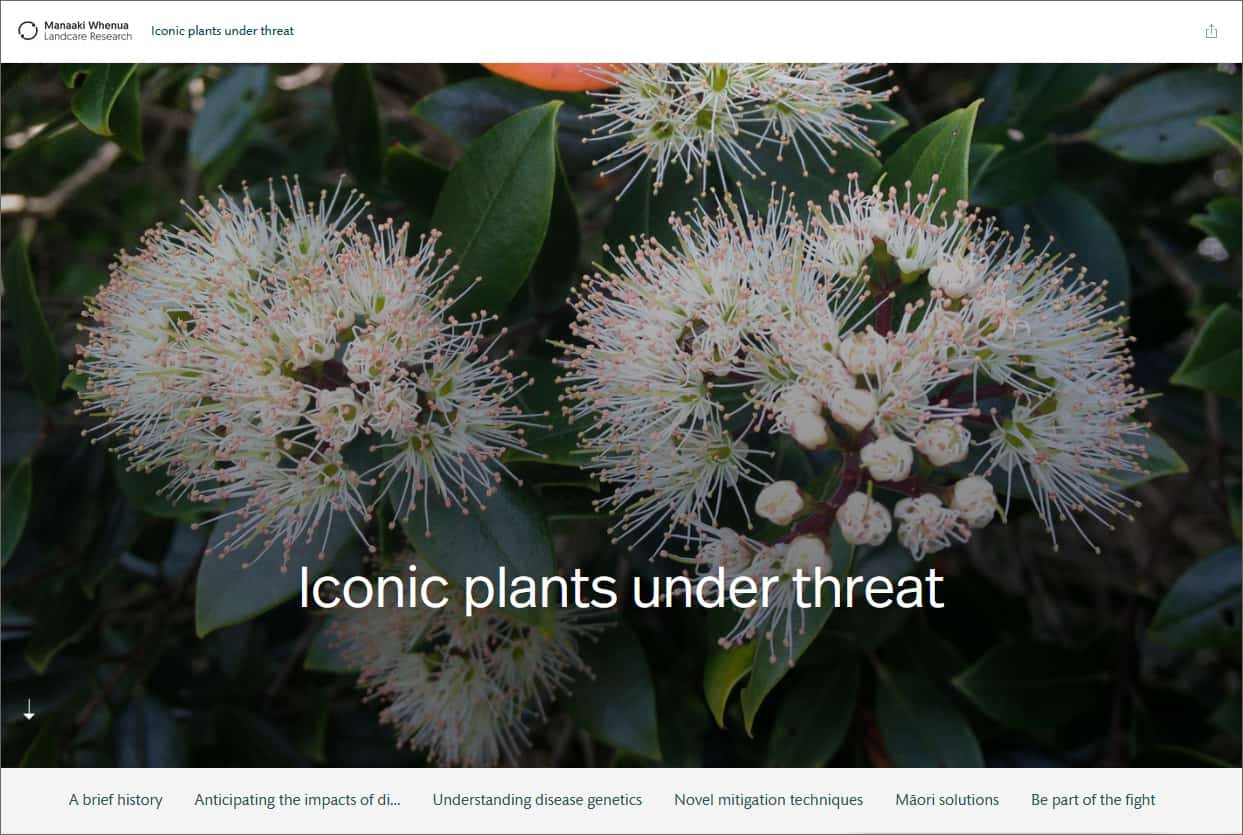
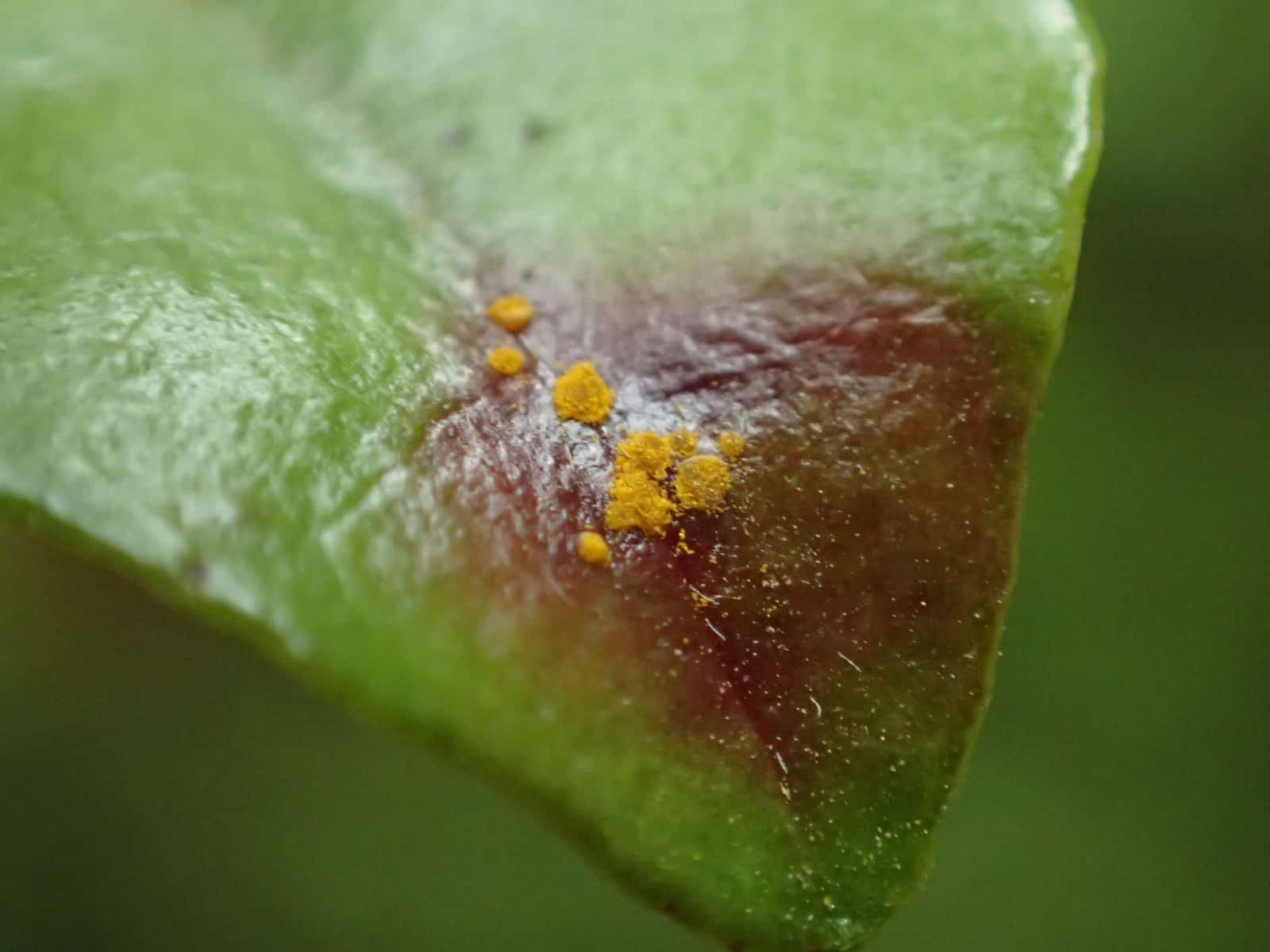
In a trans-Tasman collaboration, scientists have sequenced the genome of Austropuccinia psidii, the fungus responsible for the disease myrtle rust, and produced the world’s largest assembled…
There are dozens of published pest risk assessments and pest risk assessment frameworks, but only a fraction of those published are actually used in decision-making.…
There is a global need for novel, next-generation technologies and techniques to manage pest species. We review work on potential step-changing technologies for large landscape…
Syzygium maire (swamp maire) is an endemic New Zealand Myrtaceae tree species. Current threats to this species include habitat destruction, myrtle rust, declining remnant populations…
This report was put together by the Strategic Outcome 4 group, focused on state-of-the-art surveillance systems for Aotearoa. Scoping panel reports are documents that paint…
Understanding the distribution of genetic variation in ramarama and its potential implications for conservation. Presented as part of the Kaurilands Summit 2023, hosted by Ngā…
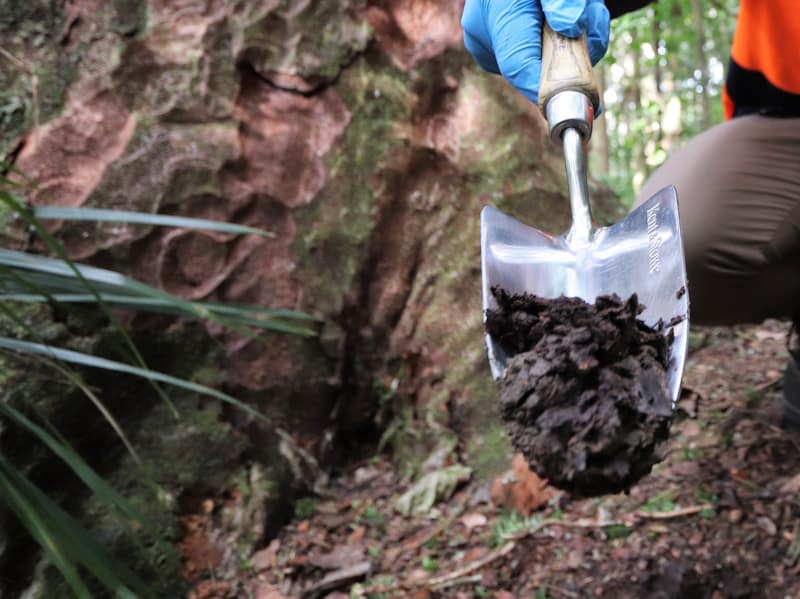
Advances in the sequencing of DNA extracted from media such as soil and water offer huge opportunities for biodiversity monitoring and assessment, particularly where the…