Humans have caused a catastrophic decline to animal species and look to emerging technologies to stop the decline. Gene drive is a potential tool that…
Achieving conservation objectives is time critical, but the vast number of threats and potential actions means some form of ranking is necessary to aid prioritization.…
Gene drives offer a potentially revolutionary method for pest control over large spatial extents. These genetic modifications spread deleterious variants through a population and have…
Advances in artificial intelligence, sensors, and robotics technologies could enhance the way we search for and remove invasive predators from Aotearoa NZ. A multidisciplinary team…
Wananga 4: Barcoding technologies and pipelines Te Tiriti-guided national DNA reference library wānanga series** Facilitators: Dr Manpreet Dhami; Manaaki Whenua and Dr Leilani Walker…
A playlist of presentations given at New Zealand’s Biological Heritage Science Challenge online conference, Crazy & Ambitious 3. 24 – 27 May 2022. This event…
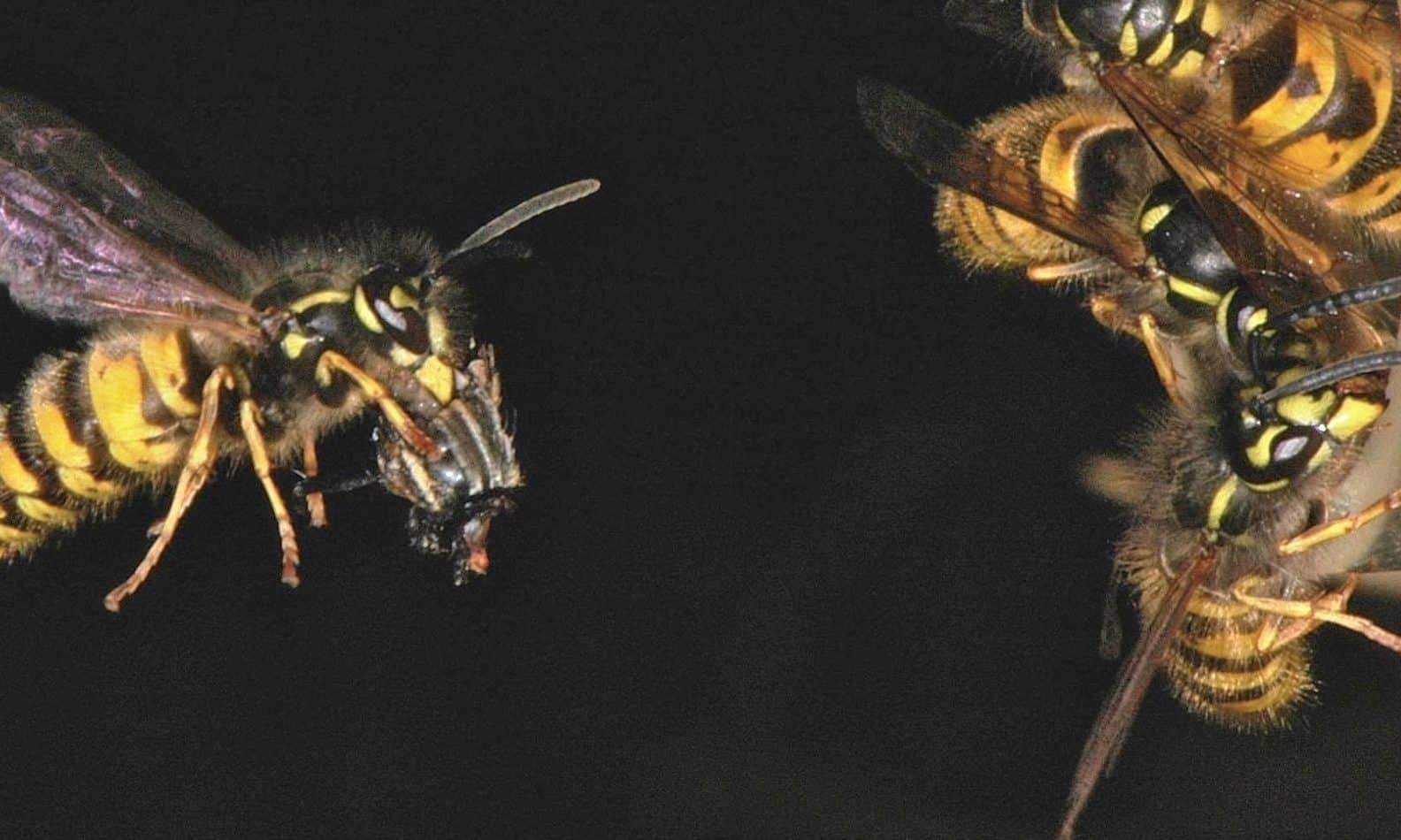
In Aotearoa New Zealand, the government’s ambitious target of becoming “predator-free” by 2050 has reignited public discussion on biotechnologies. The disproportionate abundance of German and…
Here we test whether the male-sterilizing effects previously associated with the mt:Cyt-b mutation are consistent across three thermal and three nuclear genomic contexts. The effects of this…
The Eco-index team are developing novel remote sensing technology for understanding and guiding biodiversity enhancement efforts across Aotearoa New Zealand. Our goal is to autonomously…
A cross-cultural approach to conservation and natural resource management will enable resource managers to access the full potential of dual knowledge epistemologies and facilitate genuine…
Phytophthora species are oomycete plant pathogens that cause great economic and ecological impacts. The Phytophthora genus includes over 180 known species, infecting a wide range…