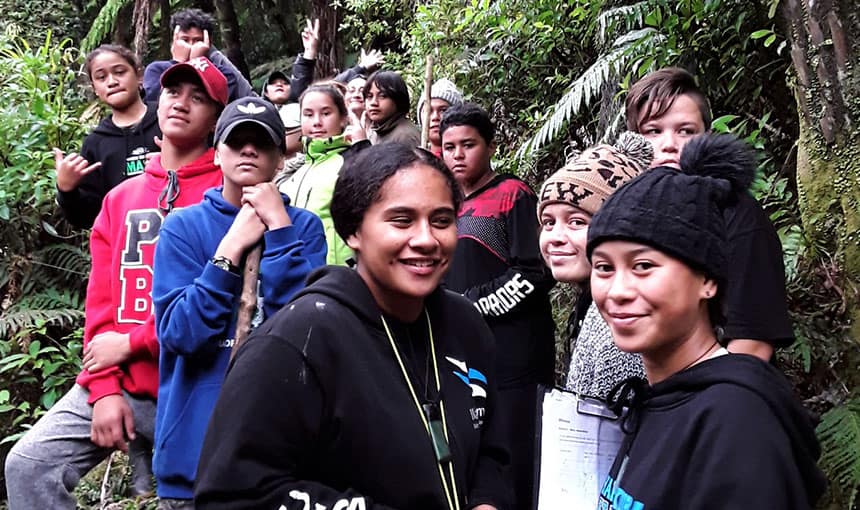
Volunteers play a crucial role in ecological restoration, and turnover can be a major challenge for not-for-profit organisations. Increased recruitment and training can tie up…
Community organisations have come to play a key role in biodiversity conservation and restoration over the last 30 years, with thousands of volunteer and kaitiaki…
Microbial biodiversity monitoring through the analysis of DNA extracted from environmental samples is increasingly popular because it is perceived as being rapid, cost-effective, and flexible concerning the…
Climate warming, in particular in island environments, where opportunities for species to disperse are limited, may become a serious threat to cold adapted alpine species.…
Invasive mammals are a primary threat to New Zealand’s endemic species. In remote areas, aerial delivery of poison is the preferred method of pest management,…
An ever-expanding human population, ongoing global climatic changes, and the spread of intensive farming practices is putting increasing pressure on agroecosystems and the inherent biodiversity…
The term ‘socio-cultural values’ encompasses a breadth and diversity of human habits, traditions, beliefs, stories, preferences, priorities, and relationships. As such, not only is there…
Te Taiao Collectives Network was established as a pilot project to understand the potential for a shared learning network to support collectives to achieve their…
What is native biodiversity and why is it important? And how do you manage biodiversity on your farm? The Farming with Native Biodiversity project created…
Online presentation from Crazy & Ambitious 4: Bio-cultural approach to biodiversity monitoring, with Dion Pou, Te Atatu Marae Whanau Committee and Rivercare Te Wai o…
Environmental management is culturally and economically significant to Indigenous communities, and these communities increasingly recognise biosecurity as vital to maintaining their traditional ecosystems and supporting…