Ecosystems

Taking a holistic look at environmental research.

Video

Te Taiao Collectives

When you’re investing in a restoration programme, you’re investing not only in te taiao and benefits for nature, but you’re also investing in people and…
View Video
Report

The value of volunteers

Volunteers play a crucial role in ecological restoration, and turnover can be a major challenge for not-for-profit organisations. Increased recruitment and training can tie up…
View Report
Publication

Protecting the unseen majority: Land cover and environmental factors linked with soil bacterial communities and functions in New Zealand

In this study, we tested for the impacts of land-cover type (native forest, planted forest with exotic conifers, and pastoral agriculture) on soil bacterial communities…
View Publication
Publication

Temporal variation in soil bacterial communities can be confounded with spatial variation

Investigating temporal variation in soil bacterial communities advances our fundamental understanding of the causal processes driving biological variation, and how the composition of these important…
View Publication
Publication

Opportunities for modern genetic technologies to maintain and enhance Aotearoa New Zealand’s bioheritage

In the past few years genetic technologies springing from advances in DNA sequencing (so-called high-throughput sequencing), and/or from CRISPR/Cas9 gene editing, have been proposed as…
View Publication
Report

The connection between people, nature and wellbeing in Wellington, Part 1

New research shows health benefits for Wellington’s backyard trappers – time spent involved in backyard and reserve trapping is improving the health of Wellingtonians.  …
View Report
Publication

Modelling movement and landscape connectivity of New Zealand native birds in highly structured agroecosystem networks

Understanding how spatial heterogeneity affects movement and dispersal is critical for maintaining functional connectivity in agroecosystems. Least-cost path models are popular conservation tools to quantify…
View Publication
Publication

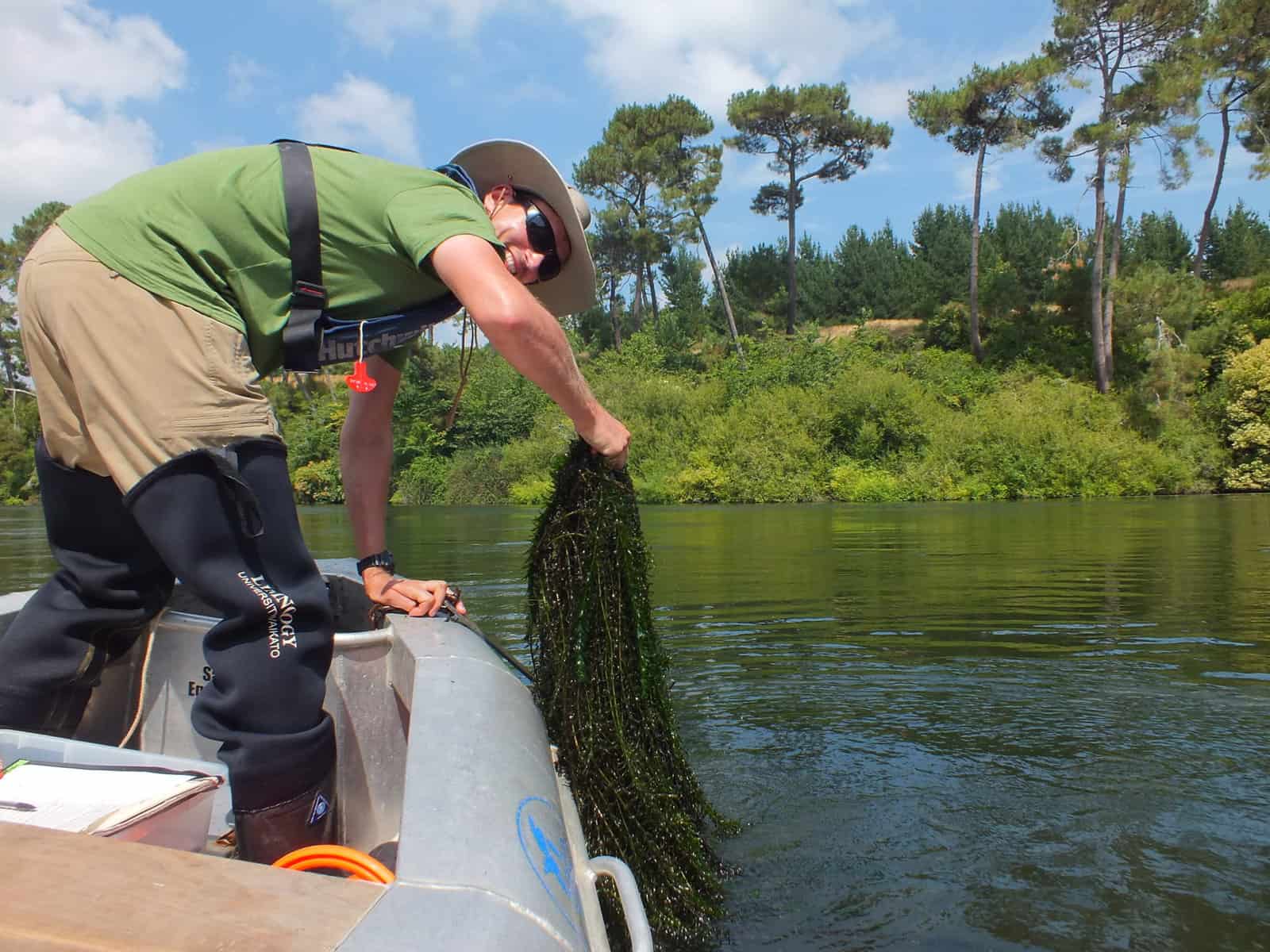
Invasive macrophytes induce context‐specific effects on oxygen, pH, and temperature in a hydropeaking reservoir

Dense macrophyte beds are known to produce extreme diurnal oxygen and temperature conditions in shallow lakes. However their influences in managed hydropeaking reservoirs has received…
View Publication
Publication

Birds optimize fruit size consumed near their geographic range limits

Animals can adjust their diet to maximize energy or nutritional intake. For example, birds often target fruits that match their beak size because those fruits…
View Publication
Policy Briefing

BRIEF: Moving freshwater species

Why is it so hard to move freshwater species? – Rethinking freshwater translocation processes and policy in Aotearoa New Zealand.   Translocating valued species is…
View Policy Briefing
Summary

BRIEF: Managing native biodiversity on farm

What is native biodiversity and why is it important? And how do you manage biodiversity on your farm? The Farming with Native Biodiversity project created…
View Summary
Report

Collective approaches to ecosystem regeneration in Aotearoa New Zealand

There is a growing interest in scaling community-led ecosystem regeneration initiatives to extend, replicate, or coordinate activities across space, and expand or deepen the scope…
View Report
Webinar

Crazy & Ambitious 4: Eco-index tech toolkit

Online presentations from Crazy & Ambitious 4: Eco-Index tech toolkit optimising biodiversity impact, with Kiri Joy Wallace, John Reid, Catherine Kirby and Corey Ruha.
View Webinar
Publication

Moko Puna Kauariki

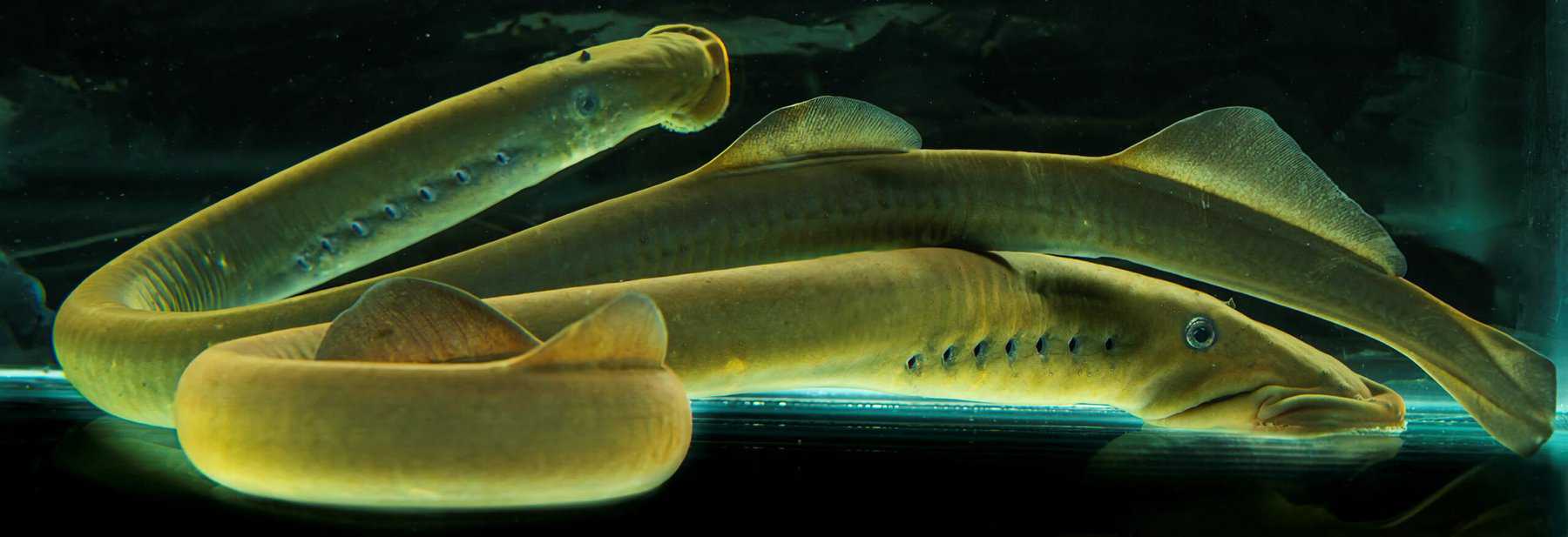
Moko Puna Kauariki – he pukapuka a whakamaanawa ana i ngaa mahi tiaki tuna a Erina Watene (Waikato, Ngaati Mahanga, Ngaati Maniapoto, Ngaai Te Rangi)…
View Publication
Video

Crazy & Ambitious – 2017

A playlist of presentations given at New Zealand’s Biological Heritage Science Challenge inaugural conference, Crazy & Ambitious. 8-10 May 2017, Te Papa Wellington
View Video
Publication

Landholder participation in regional-scale control of invasive predators: an adaptable landscape model

We developed a spatially explicit model to estimate the effects of varying levels of landholder participation in landscape-scale programs to control invasive predators. We demonstrate…
View Publication

Enjoying our content?

Check out our inventory of research outputs and resources
Scroll to Top