New research shows health benefits for Wellington’s backyard trappers – time spent involved in backyard and reserve trapping is improving the health of Wellingtonians. …
Understanding how spatial heterogeneity affects movement and dispersal is critical for maintaining functional connectivity in agroecosystems. Least-cost path models are popular conservation tools to quantify…
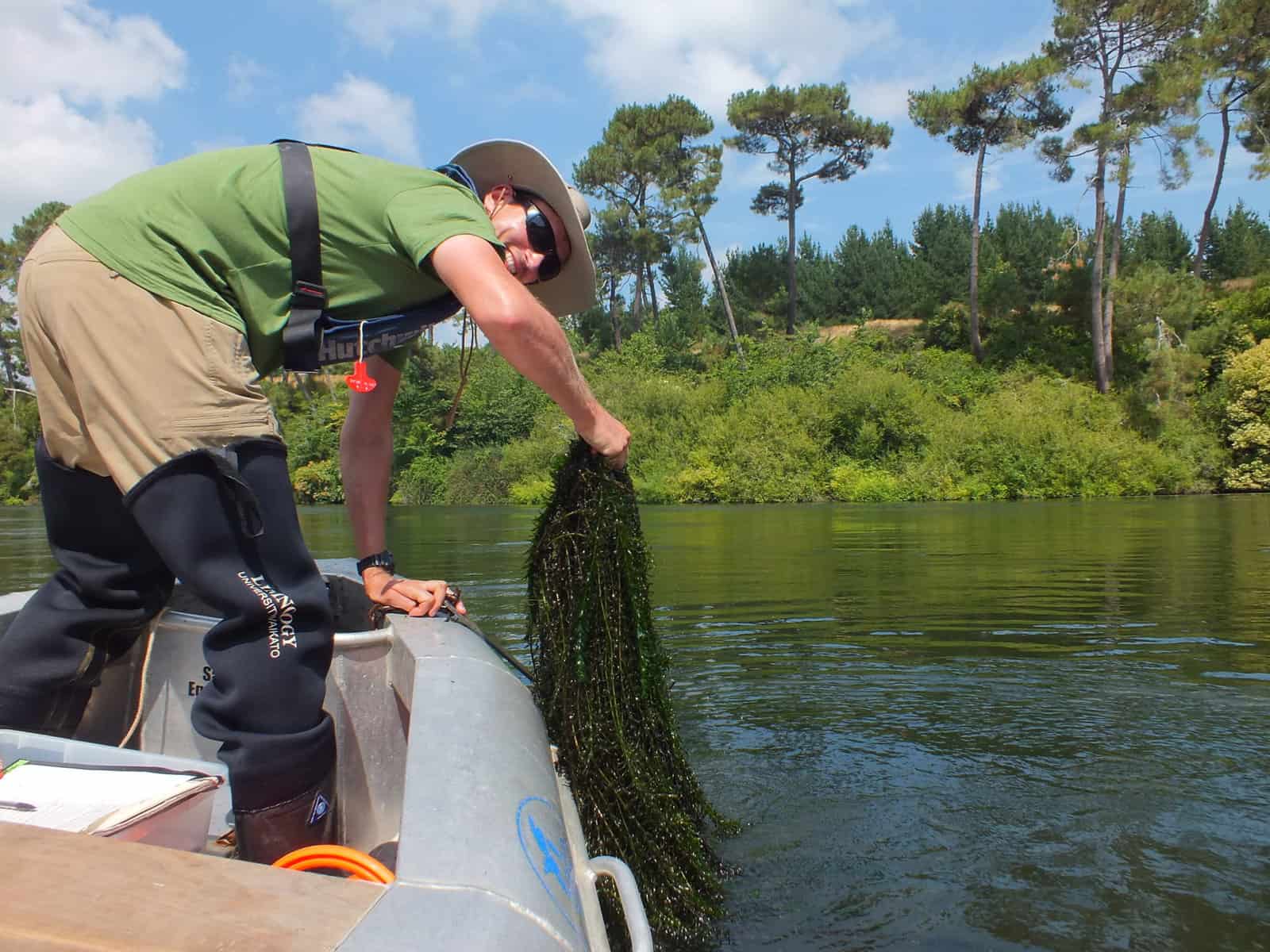
Dense macrophyte beds are known to produce extreme diurnal oxygen and temperature conditions in shallow lakes. However their influences in managed hydropeaking reservoirs has received…
Animals can adjust their diet to maximize energy or nutritional intake. For example, birds often target fruits that match their beak size because those fruits…
Why is it so hard to move freshwater species? – Rethinking freshwater translocation processes and policy in Aotearoa New Zealand. Translocating valued species is…
What is native biodiversity and why is it important? And how do you manage biodiversity on your farm? The Farming with Native Biodiversity project created…
There is a growing interest in scaling community-led ecosystem regeneration initiatives to extend, replicate, or coordinate activities across space, and expand or deepen the scope…
Online presentations from Crazy & Ambitious 4: Eco-Index tech toolkit optimising biodiversity impact, with Kiri Joy Wallace, John Reid, Catherine Kirby and Corey Ruha.
A playlist of presentations given at New Zealand’s Biological Heritage Science Challenge inaugural conference, Crazy & Ambitious. 8-10 May 2017, Te Papa Wellington
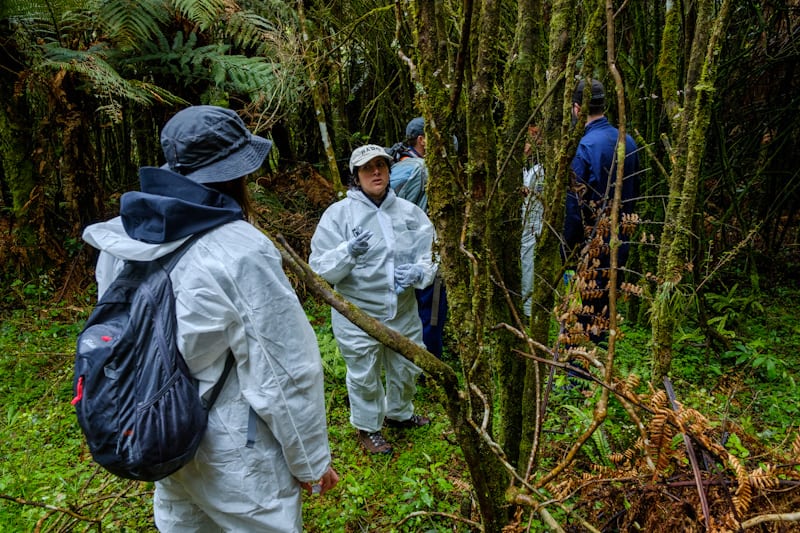
The increased access of visitors into natural areas provides new routes for the entry of pathogens into places of high biodiversity value, and could facilitate…
A letter to BioScience: A publication in Nature (Owens 2017) attracted our attention recently. The article refers to the ambitious, arduous, and encouraging plan to…
Alien and native richness and cover were shaped by different variables, so managing the ecosystem (e.g. flow regime) to mitigate aliens would not necessarily promote…
Cultural expressions related to the kererū demonstrated the cultural significance of the bird to Tuawhenua that went well beyond the ecological and intrinsic value of the species. The Tuawhenua worldview…
To fill key research gaps that will inform the use of non-production vegetation to enhance agroecosystem processes, we present a framework for future research that…
The Eco-index team developed a 2121 National Biodiversity Vision that sets long-term goals to Protect, Restore and Connect native ecosystems in Aotearoa New Zealand by…