Indigenous peoples and local communities (IPLC) often use natural resources as both a reason and mechanism for environmental management, yet a number of environmental, social,…
Globally, plant species are facing numerous threats; an issue particularly acute for island floras, which often exhibit high levels of endemism. Ex situ conservation in…
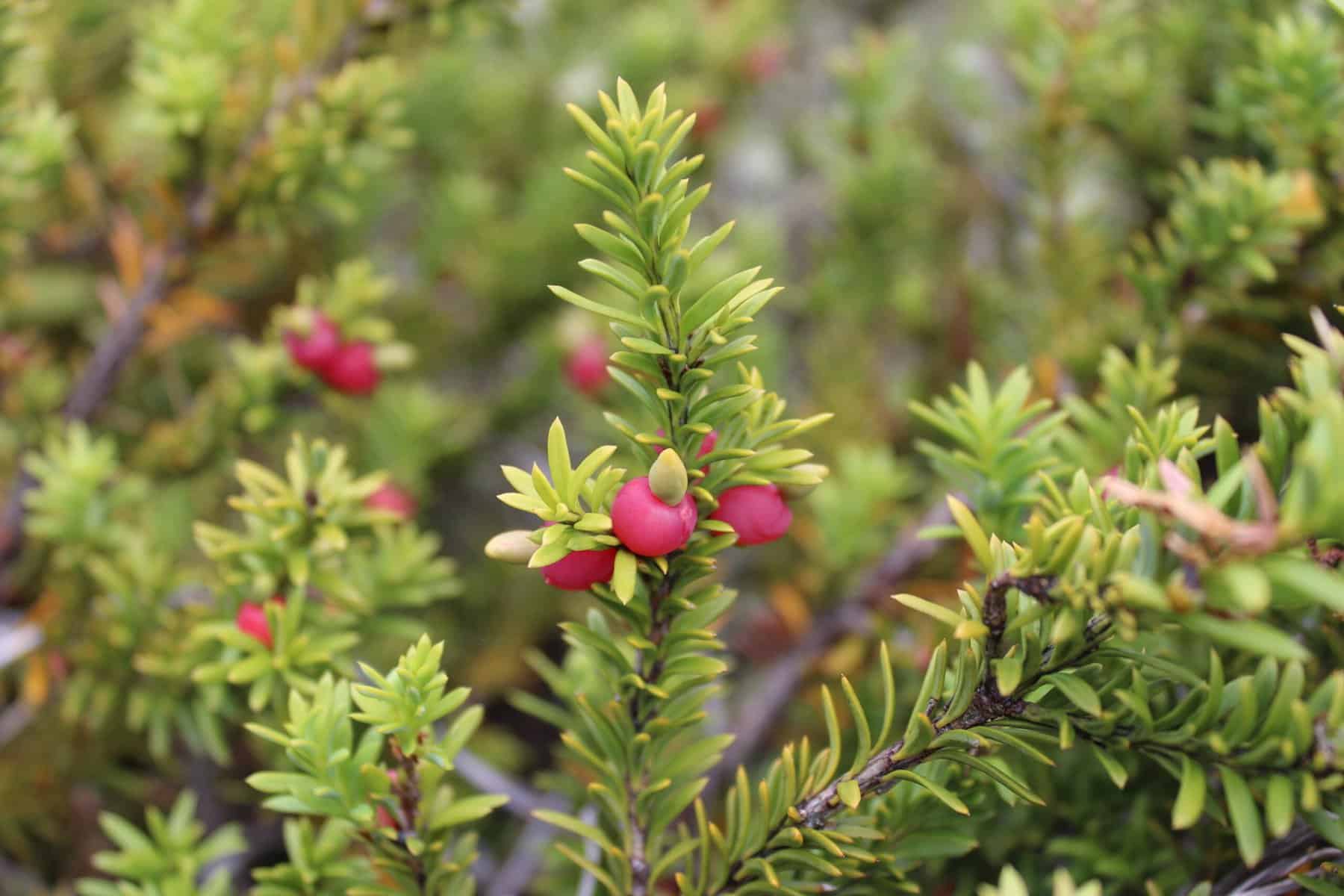
Syzygium maire is a threatened Myrtaceae tree species endemic to New Zealand. Due to its highly recalcitrant seed, cryopreservation is the only viable long-term ex situ…
Understanding the potential impacts of myrtle rust on the integrity of natural forest ecosystems thus hinges on understanding the contribution of the Myrtaceae to the…
Environmental DNA (eDNA) is becoming a standard tool in environmental monitoring that aims to quantify spatiotemporal variation for the measurement and prediction of ecosystem change.…
Arthropods have been useful and important ecological indicators of environmental change, but morphological identification of key groups is labour-intensive and expertise-demanding. Molecular methods using environmental…
The vast majority of microorganisms in aquifers live as biofilms on sediment surfaces, which presents significant challenges for sampling as only the suspended microbes will…
Nutrients are important determinants of diatom growth in lakes, and diatoms are considered reliable indicators of changing lake nutrient concentrations and eutrophication. However, diatom ecologies…
Biotic interactions perform an important role in structuring freshwater communities; however, these are rarely considered during stream restoration. Degraded stream communities are often dominated by…
Introduced species that spread and become invasive are recognised as a major threat to global biological diversity, ecosystem resilience and economic stability. Eradication is often…
Naturally treeless ecosystems are being replaced by native and non-native trees worldwide, often through deliberate afforestation using forestry tree species. By introducing species having novel…
Te Taiao Collectives Network was established as a pilot project to understand the potential for a shared learning network to support collectives to achieve their…
Volunteers from local communities can play an important role in restoring freshwater systems in cities. But how can local organisations attract and retain volunteers?This research…
Aotearoa New Zealand’s swamp forests have experienced significant habitat loss in fewer than two hundred years. Many of the country’s tree species are endemic with…