






Report
A voice for the river: Collective restoration by the Ōpāwaho Heathcote River Network
This study is one of three exemplar studies of restoration collectives within BioHeritage Strategic Outcome 6 ‘Pathways to Ecosystem Regeneration’. This strategic outcome focuses on…

Publication
From pine to pasture: land use history has long-term impacts on soil bacterial community composition and functional potential
Bacterial communities are crucial to soil ecosystems and are known to be sensitive to environmental changes. However, our understanding of how present-day soil bacterial communities…
Publication
Consequences of space sharing on individual phenotypes in the New Zealand hihi
In heterogeneous habitats, individuals sharing a larger part of their home-range are also likely to live in a very similar environment. This ‘common environment’ effect…
Report
Collective action to eradicate rats and mustelids from a large, peopled landscape: A social-ecological approach
The control or eradication of introduced mammalian predators is one of the most urgent tasks for conserving native wildlife in Aotearoa New Zealand (Elliot et…
Publication
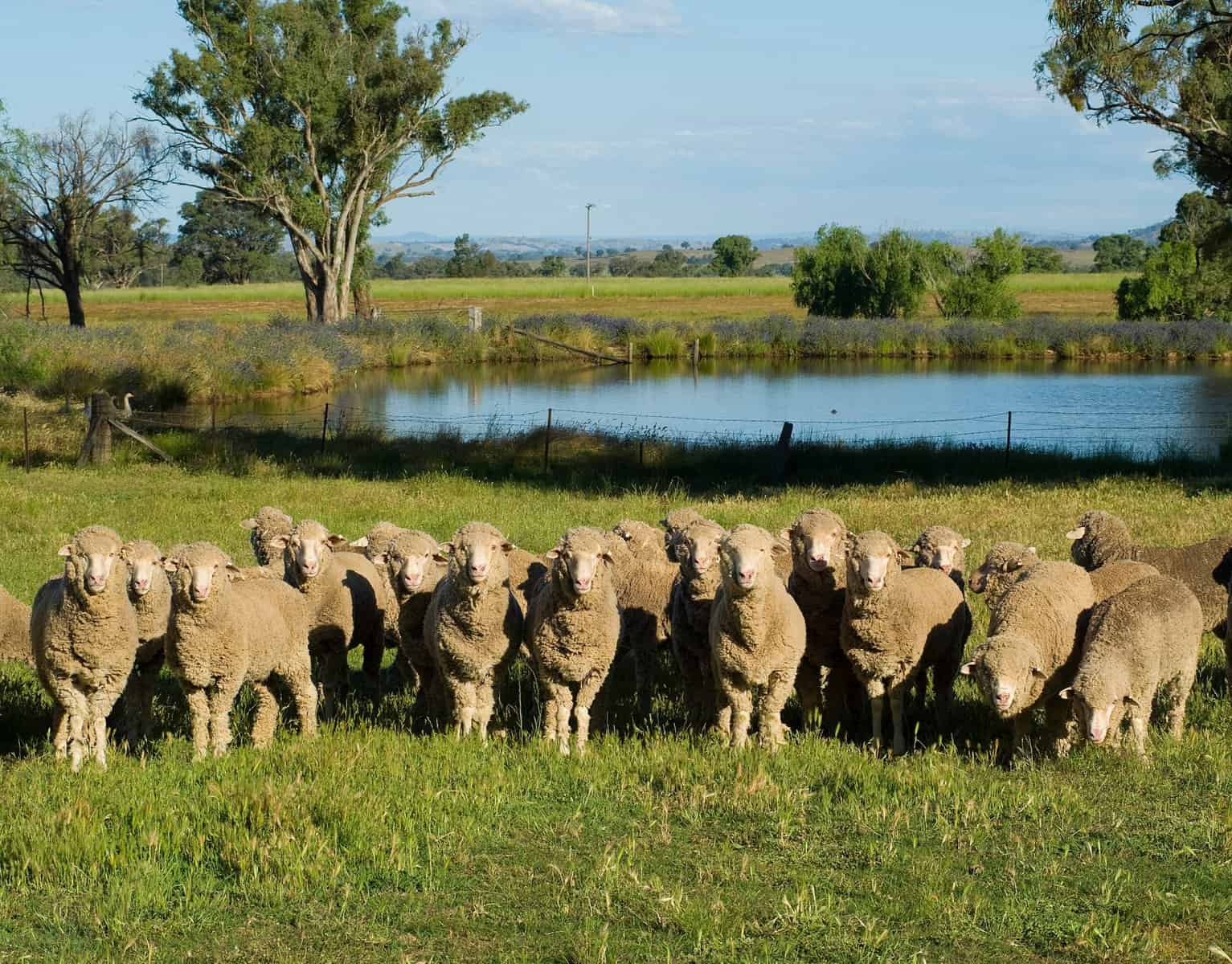
Non-production vegetation has a positive effect on ecological processes in agroecosystems
An ever-expanding human population, ongoing global climatic changes, and the spread of intensive farming practices is putting increasing pressure on agroecosystems and the inherent biodiversity…
Publication
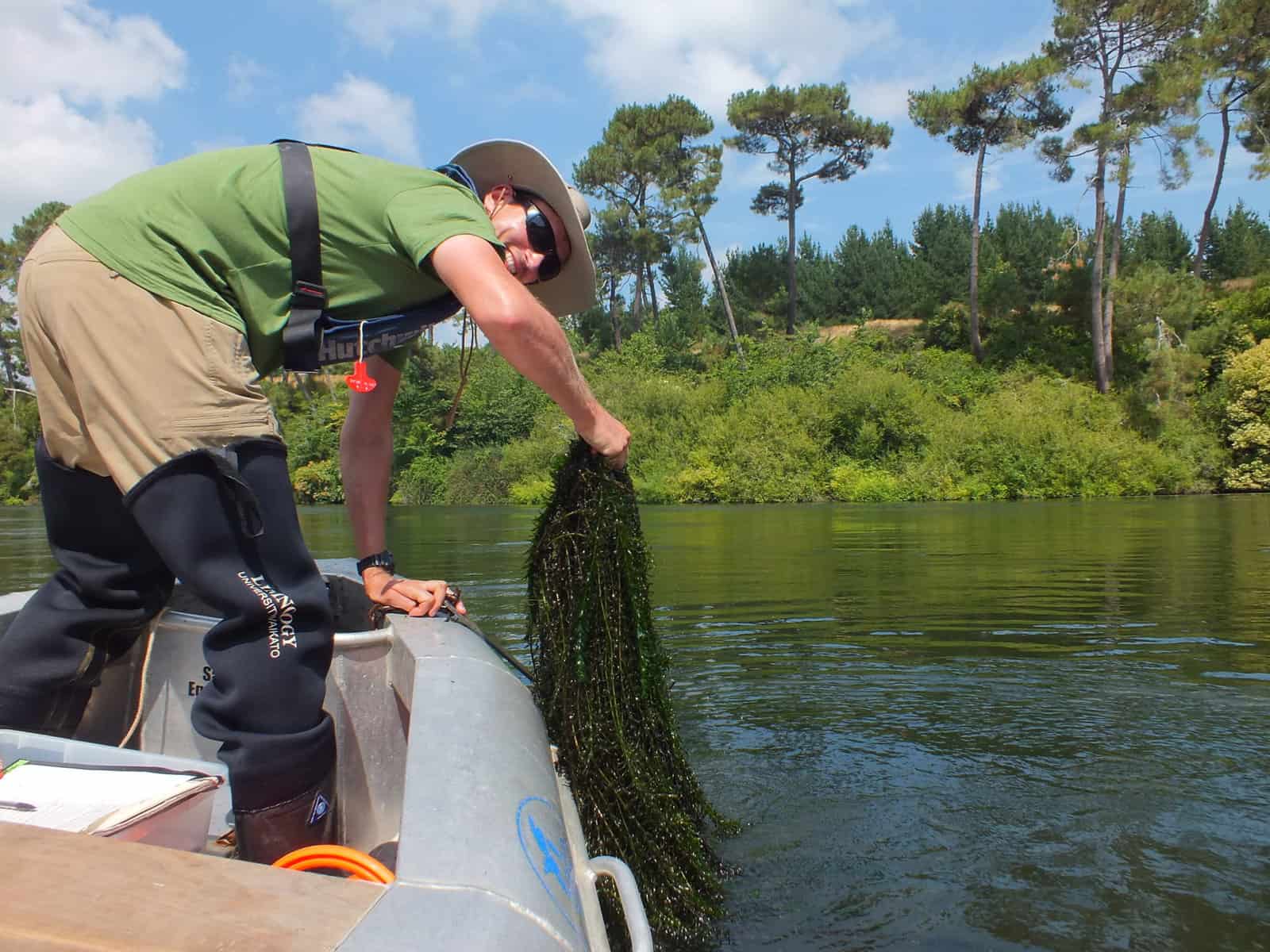
Biotic interactions could control colonization success during stream restoration
Biotic interactions involved in colonization are likely important if tolerant aquatic taxa, which have settled first, prevent desired taxa from colonizing when conditions improve. These…
Publication
Species traits and community structure can drive large-scale spatial propagation of effects in ecosystems
Species can directly and indirectly affect others across communities and habitats, yet the spatial scale over which such effects spread remains unclear. This uncertainty arises…
Related News